
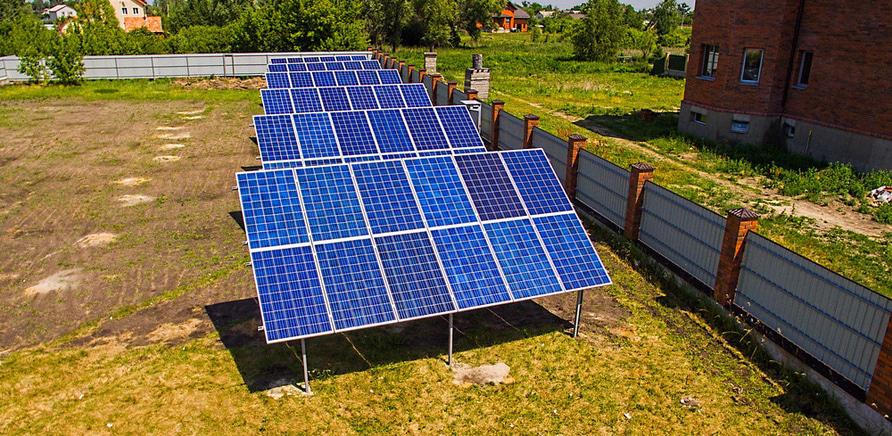
The Financial Landscape of Ground-Mounted Solar Panels
Why Ground-Mounted Solar Panels Matter
As the world increasingly turns its attention to renewable energy sources, solar power stands out as a leading contender in the race to reduce carbon footprints and combat climate change. Among the various solar solutions available, ground-mounted solar panels have gained popularity for their efficiency and scalability. Unlike rooftop systems, which are limited by the size and orientation of your home, ground-mounted systems can be installed in larger, open areas, allowing for more panels and, consequently, more energy production. This flexibility makes them an attractive option for homeowners with ample land and for commercial enterprises looking to harness solar energy.
But why should you care about the costs associated with these systems? The financial aspect of solar energy is crucial for anyone considering making the switch. While the initial investment can be significant, understanding the costs involved can help you make informed decisions that align with your budget and energy needs. Moreover, with various incentives, tax credits, and financing options available, the landscape of solar panel pricing is more complex than it may initially appear.
In this article, we will break down the various factors that influence the cost of ground-mounted solar panels. You will learn about the different components that contribute to the total price, including equipment, installation, and maintenance. We will also explore the potential return on investment and how long it typically takes for homeowners and businesses to recoup their initial expenditures through energy savings. Additionally, we will touch on the importance of site assessment and permitting, which can significantly impact your overall costs.
By the end of this article, you will have a clearer understanding of what to expect when considering ground-mounted solar panels. Whether you are a homeowner contemplating a switch to solar energy or a business owner looking to reduce operational costs, this information will empower you to make educated choices in your renewable energy journey.
Exploring the Cost Factors of Ground-Mounted Solar Panels
Breaking Down the Costs
When it comes to ground-mounted solar panels, several key factors influence the overall cost. Here’s a breakdown of what you can expect:
- Equipment Costs: This includes the solar panels themselves, inverters, and mounting structures. The type and quality of these components can significantly affect pricing.
- Installation Costs: Labor costs can vary based on your location and the complexity of the installation. Ground-mounted systems often require more extensive groundwork than rooftop installations.
- Permitting and Site Assessment: Before installation, you may need to obtain permits and conduct site assessments, which can add to the overall cost.
- Maintenance Costs: While solar panels are generally low-maintenance, periodic cleaning and inspections are necessary to ensure optimal performance.
How It Works
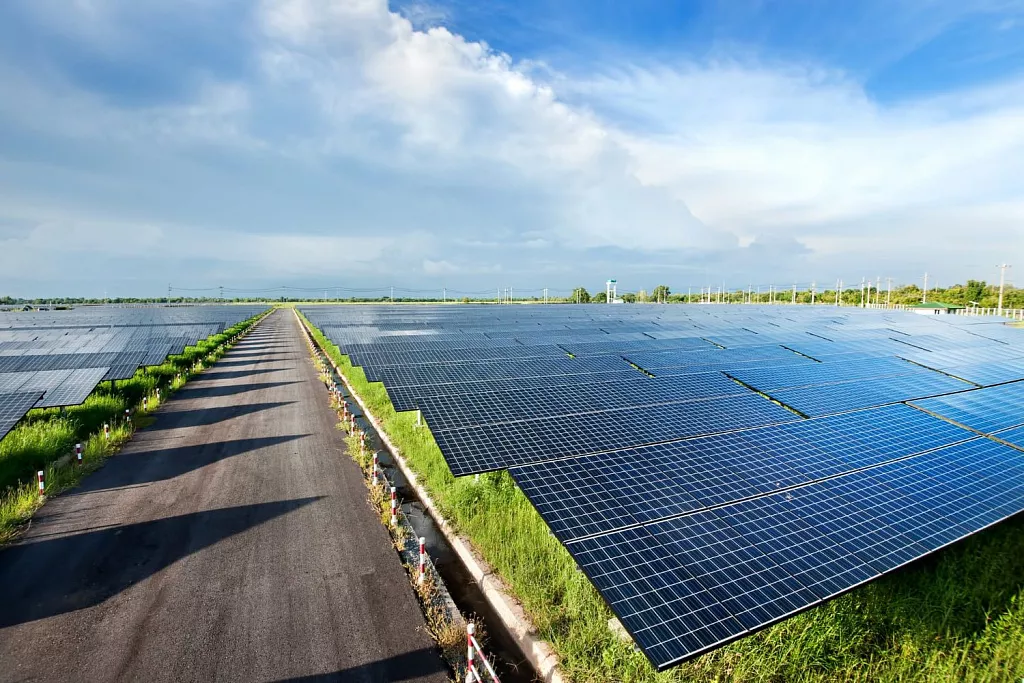
Ground-mounted solar panels operate on the same principle as traditional solar panels. They convert sunlight into electricity through photovoltaic cells. The process can be summarized as follows:
- Sunlight hits the solar panels, exciting electrons in the photovoltaic cells.
- This excitation generates direct current (DC) electricity.
- An inverter converts the DC electricity into alternating current (AC), which is used in homes and businesses.
- Excess electricity can be fed back into the grid or stored in batteries for later use.
Practical Examples
To give you a clearer picture, let’s look at some practical examples of ground-mounted solar installations:
| Example | Size (kW) | Estimated Cost | Annual Savings |
|---|---|---|---|
| Residential Home | 10 kW | $25,000 | $1,500 |
| Small Business | 50 kW | $125,000 | $7,500 |
| Agricultural Use | 100 kW | $250,000 | $15,000 |
These examples illustrate the range of costs and potential savings associated with ground-mounted solar panels, depending on the scale of the installation.
Benefits of Ground-Mounted Solar Panels
Ground-mounted solar panels come with several advantages:
- Higher Efficiency: With more space available, you can install a larger number of panels, increasing energy production.
- Flexibility in Placement: You can choose the optimal location for sunlight exposure, which can lead to better performance.
- Less Roof Wear: By installing panels on the ground, you reduce the risk of roof damage and prolong its lifespan.
- Scalability: Ground-mounted systems can be expanded easily as energy needs grow.
Challenges and Limitations
Despite their benefits, ground-mounted solar panels also come with challenges:
- Initial Costs: The upfront investment can be substantial, which may deter some homeowners or businesses.
- Land Requirements: Not everyone has the available land for installation, making this option impractical for some.
- Regulatory Hurdles: Obtaining permits and adhering to local regulations can complicate the installation process.
- Environmental Impact: Depending on the location, installation may disrupt local ecosystems or landscapes.
By weighing these factors, you can better assess whether ground-mounted solar panels are the right choice for your energy needs.
Final Thoughts on Ground-Mounted Solar Panels
Key Takeaways
Throughout this article, we’ve explored the various aspects of ground-mounted solar panels, focusing on their costs, benefits, and challenges. Here’s a quick recap of the main points:
- Cost Breakdown: Understanding the different components that contribute to the overall cost is essential for making informed decisions.
- Operational Mechanics: Ground-mounted solar panels convert sunlight into electricity through photovoltaic cells, similar to rooftop systems.
- Practical Examples: Real-world installations illustrate the range of costs and potential savings, helping you gauge what to expect.
- Benefits: Higher efficiency, flexibility, and scalability make ground-mounted systems an attractive option for many.
- Challenges: Initial costs, land requirements, and regulatory hurdles can pose obstacles to installation.
The Importance of Solar Energy
As we face the pressing challenges of climate change and rising energy costs, the importance of renewable energy sources like solar power cannot be overstated. Ground-mounted solar panels offer a viable solution for homeowners and businesses looking to reduce their carbon footprint and achieve energy independence. By investing in solar technology, you contribute to a more sustainable future while potentially saving money on energy bills.
Encouraging Further Thought
Before you make a decision, consider this: Did you know that the cost of solar panels has dropped by over 80% in the last decade? This dramatic decrease has made solar energy more accessible than ever. However, many still believe that solar is only for those with deep pockets or ideal roof conditions. This myth can deter potential users from exploring their options.
If you have the land and the willingness to invest, ground-mounted solar panels could be a game-changer for your energy needs.
A Useful Tip
If you’re contemplating a ground-mounted solar installation, start by conducting a thorough site assessment. This will help you understand the potential energy output and identify any local regulations or permitting requirements. Consulting with a professional installer can also provide insights tailored to your specific situation, ensuring you make the most informed choice possible.
As you navigate the world of solar energy, remember that knowledge is power. The more you understand about ground-mounted solar panels, the better equipped you’ll be to make decisions that benefit both your wallet and the planet.