
Practical answers to everyday solar panel questions
Solar systems are fairly easy to understand in principle, but the practical questions get specific quickly. How should panels be connected? What should a multimeter show? How much roof or ground space does a panel need? Can different panels work together, and what happens when weather or wiring reduces output? SolarPanelQuestions.com focuses on those individual problems. The guides are written for homeowners and readers who want to understand how a system works before testing, maintaining, comparing, or changing anything. For electrical work, local code requirements and manufacturer instructions always take priority over general online guidance.
Practical solar guides before you wire, test, clean, or upgrade
Start with the part of the system you are actually dealing with. These guides cover wiring, measurements, panel construction, physical size, cleaning, conduit, and basic connections without requiring you to work through a general solar handbook first.
General educational information only. Solar wiring can involve shock, fire, electrical-code, roof, and permit risks. Use a qualified electrician where required.
Questions that matter before working with solar panels
If you are trying to understand an existing installation, wiring and measurements are usually more useful than broad system theory. Start by identifying how the panels are connected, then look at voltage, current, rated output, and physical panel specifications. Those four areas explain a surprising number of common solar questions.
Four good starting points
These guides cover the basic physical and electrical questions that come up when checking an existing system or planning a small change.

How to Wire Solar Panels to a House
See where the panels, wiring, inverter, and home electrical system fit together before looking at individual connections.
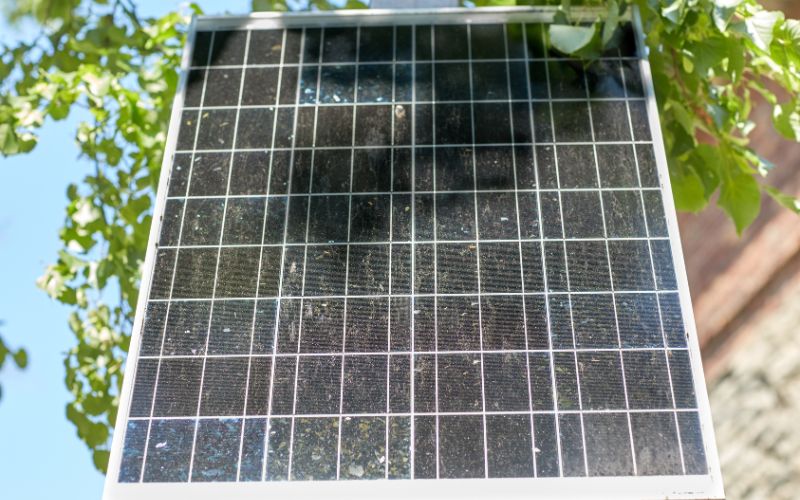
How to Test a Solar Panel With a Multimeter
Understand the basic voltage and current checks and what the readings can tell you about panel operation.
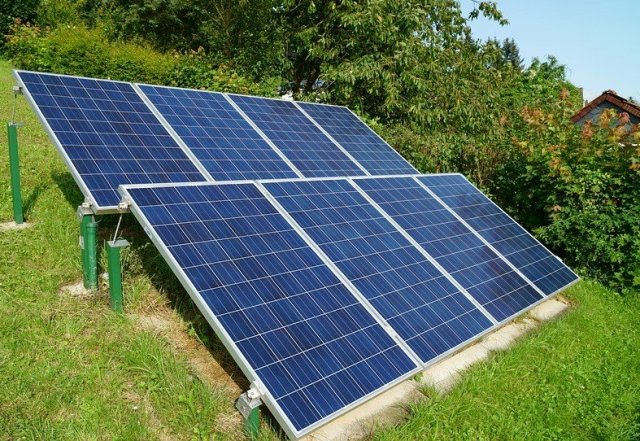
How to Test Solar Panel Output
Compare measured performance with the panel rating while accounting for sunlight and other real-world conditions.
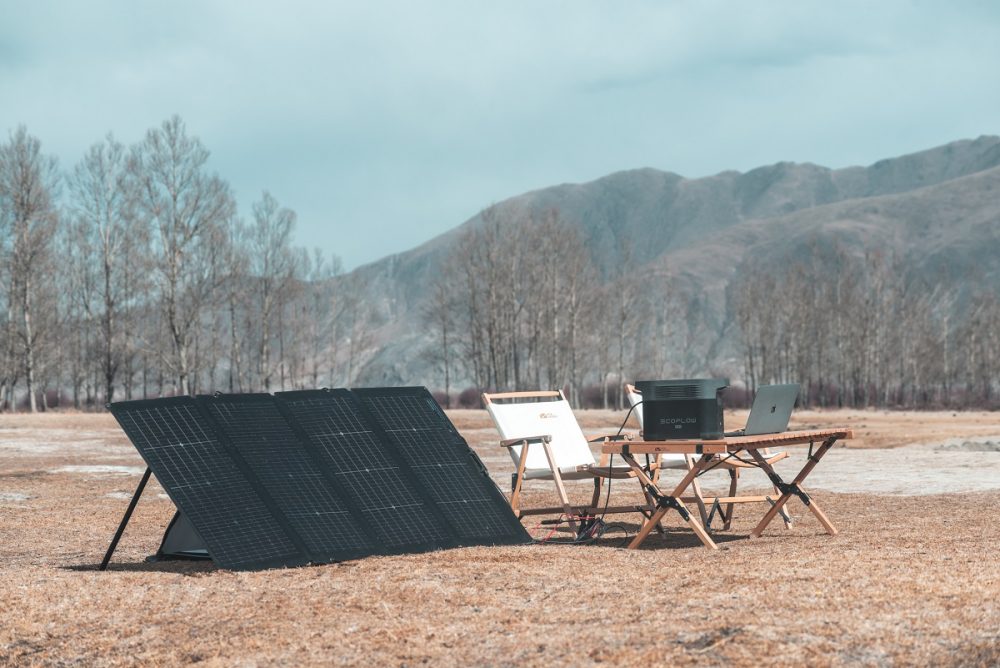
How Big Is a 400W Solar Panel?
Look at typical dimensions, weight, and space requirements before assuming that wattage tells you panel size.
Not every useful solar question is about installation. Weather can change production, panel combinations affect electrical behavior, appliances determine system size, and larger projects introduce land-use questions. Safety matters too: understanding where the real risks are is more useful than assuming either that solar is completely harmless or unusually dangerous.
Output, safety, system size, and available space
Some of the most useful answers begin with a very specific number or limitation.
01
SafetyHow many fires are caused by solar panels?
→
02
OutputHow do clouds affect solar panel output?
→
03
System SizeHow many solar panels are needed to run a mini split?
→
04
LandHow many acres of solar panels are needed per megawatt?
→
05
LandHow many solar panels can fit on one acre?
→
06
WiringCan different-size solar panels be connected together?
→
Understand the system before changing it
A useful solar answer depends on the equipment in front of you: panel specifications, electrical configuration, inverter limits, installation conditions, and local requirements. Use these guides to understand the question and the terminology first. When the job reaches live wiring, service equipment, permitting, or uncertain electrical conditions, that is the point to bring in a qualified professional.