

Harnessing Solar Energy: A Practical Guide
The Importance of Solar Power
As the world grapples with climate change and the urgent need for sustainable energy solutions, solar power has emerged as a beacon of hope. It’s clean, renewable, and increasingly affordable. With advancements in technology, more homeowners are turning to solar panels to reduce their carbon footprint and save on energy costs. But the journey to harnessing this powerful energy source begins with understanding how to effectively integrate solar panels into your home’s electrical system.
Wiring solar panels to your house is not just about installing shiny new gadgets on your roof; it’s about creating a self-sustaining energy system that can significantly lower your electricity bills and contribute to a greener planet. Whether you’re a DIY enthusiast or considering hiring professionals, knowing the basics of solar panel wiring is essential. This knowledge empowers you to make informed decisions about your energy consumption and investment in solar technology.
In this article, you will learn the step-by-step process of wiring solar panels to your home. We’ll cover the essential components you’ll need, including solar panels, inverters, and batteries. You’ll also discover the different wiring configurations, safety precautions to take, and tips for optimizing your solar energy system. By the end, you’ll have a clearer understanding of how to connect solar panels to your home, enabling you to take a significant step toward energy independence and sustainability.
So, if you’re ready to dive into the world of solar energy and transform your home into a powerhouse of renewable energy, let’s get started!
Wiring Solar Panels: The Essentials
Wiring solar panels to your home involves several key components and steps. This section will break down how solar panels work, the wiring process, and the benefits and challenges you might face along the way.
How Solar Panels Work
Solar panels convert sunlight into electricity through a process called the photovoltaic effect. When sunlight hits the solar cells in the panels, it excites electrons, creating an electric current. This current is then converted from direct current (DC) to alternating current (AC) by an inverter, making it usable for your home appliances.
Key Components
Before diving into the wiring process, it’s crucial to know the components involved:
- Solar Panels: The primary source of energy, usually made of silicon cells.
- Inverter: Converts DC electricity from the panels to AC electricity for home use.
- Battery Storage (optional): Stores excess energy for use during non-sunny periods.
- Charge Controller: Regulates the voltage and current coming from the solar panels to prevent overcharging batteries.
- Wiring and Connectors: Essential for connecting all components safely and efficiently.
The Wiring Process

Wiring solar panels to your house can be broken down into several steps:
- Plan Your System: Determine the number of panels needed based on your energy consumption and available roof space.
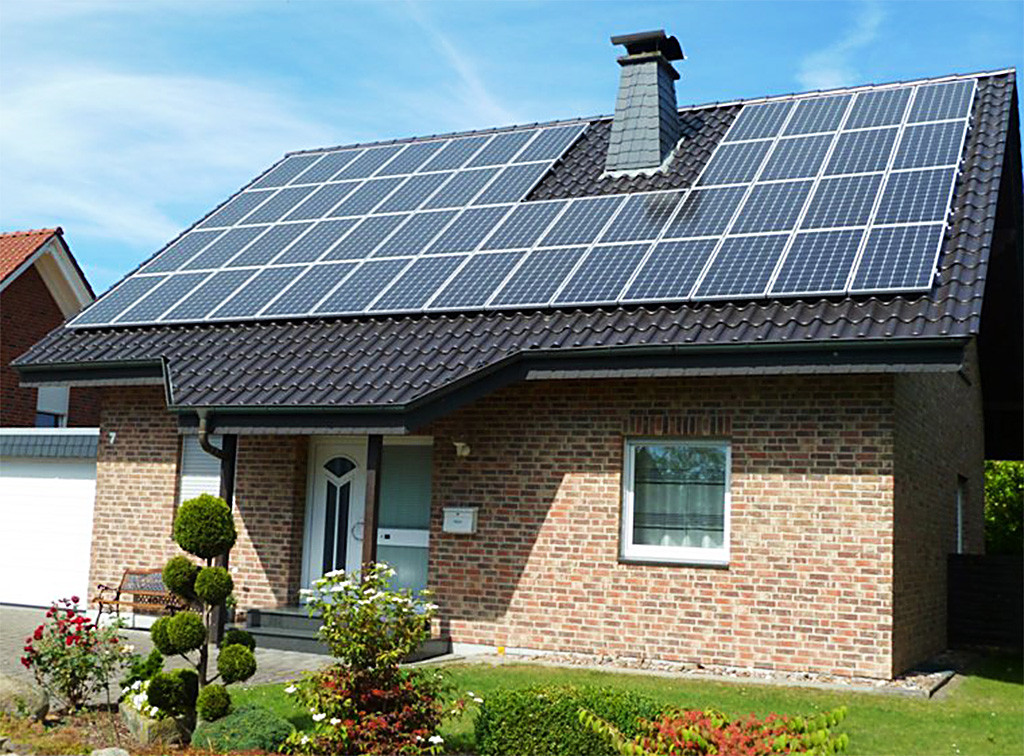
- Install the Panels: Secure the solar panels to your roof or ground mount, ensuring they are angled for maximum sun exposure.
- Connect the Panels: Use appropriate wiring to connect the solar panels in series or parallel, depending on your system design. Series connections increase voltage, while parallel connections increase current.
- Install the Inverter: Connect the output of the solar panels to the inverter, which will convert the DC electricity to AC.
- Connect to the Electrical System: Link the inverter to your home’s electrical panel. This step may require a licensed electrician to ensure compliance with local codes.
- Test the System: Once everything is connected, test the system to ensure it’s functioning correctly.
Benefits of Solar Panel Wiring
Wiring solar panels to your home comes with numerous advantages:
- Cost Savings: Reduce or eliminate your electricity bills over time.
- Energy Independence: Generate your own power and reduce reliance on the grid.
- Environmental Impact: Lower your carbon footprint and contribute to a cleaner planet.
- Increased Home Value: Homes with solar installations often see an increase in property value.
Challenges and Limitations
While the benefits are compelling, there are challenges to consider:
- Initial Costs: The upfront investment can be significant, although incentives and financing options are available.
- Space Requirements: Solar panels require adequate roof or ground space for installation.
- Weather Dependency: Solar energy production can be affected by cloudy days and seasonal changes.
- Maintenance: Regular cleaning and occasional repairs may be necessary to keep the system efficient.
Practical Example
To illustrate the wiring process, consider a typical residential setup:
| Component | Description |
|---|---|
| Solar Panels | 4 x 300W panels installed on the roof. |
| Inverter | 1 x 1200W inverter to convert DC to AC. |
| Battery Storage | 1 x 200Ah battery for energy storage. |
| Wiring | 10 AWG wire for connections between panels and inverter. |
This example provides a clear picture of what a basic solar panel system might look like, helping you visualize how the components come together to power your home.
Final Thoughts on Wiring Solar Panels
Wiring solar panels to your home is not just a technical task; it’s a significant step toward embracing renewable energy and reducing your carbon footprint. As we’ve explored, the process involves understanding key components, the wiring steps, and the benefits and challenges associated with solar energy systems.
Key Points to Remember
- Components Matter: Familiarize yourself with solar panels, inverters, batteries, and wiring to ensure a successful installation.
- Wiring Process: Follow a structured approach to connect your solar panels, ensuring safety and compliance with local regulations.
- Benefits: Enjoy cost savings, energy independence, and a positive environmental impact.
- Challenges: Be aware of initial costs, space requirements, and maintenance needs.
The Importance of Solar Energy
In a world increasingly focused on sustainability, solar energy stands out as a viable solution to combat climate change. By wiring solar panels to your home, you’re not only investing in your energy future but also contributing to a collective effort to create a cleaner environment. The transition to renewable energy sources is crucial for reducing reliance on fossil fuels and mitigating the effects of global warming.
Key Takeaway
One of the most surprising facts about solar energy is that, according to the International Energy Agency, solar power could become the largest source of electricity by 2030. This rapid growth highlights the importance of getting involved in solar energy now, whether through installation or advocacy.
Encouraging Further Thinking
Have you ever considered how much energy your household consumes daily? By taking the time to assess your energy needs, you can better understand how solar panels can fit into your lifestyle.
Additionally, a common myth is that solar panels only work in sunny climates. In reality, solar panels can generate electricity even on cloudy days, although their efficiency may vary. This means that regardless of where you live, there’s potential for harnessing solar energy.
As you contemplate wiring solar panels to your home, remember that every step you take toward renewable energy contributes to a more sustainable future. Whether you choose to go the DIY route or hire professionals, your efforts can make a significant difference.