
The Size of Solar Power: A Closer Look at 400W Panels
Why Size Matters in Solar Energy
As the world shifts towards renewable energy sources, solar power has emerged as a leading contender in the race for sustainability. With the increasing demand for clean energy, understanding the specifications of solar panels is crucial for homeowners, businesses, and anyone interested in harnessing the sun’s power. Among the various options available, 400-watt solar panels have gained popularity due to their efficiency and versatility. But just how big are these panels, and why does their size matter?
Solar panels come in different wattages, and the wattage indicates the amount of electricity a panel can generate under optimal conditions. A 400-watt panel is considered a robust option for both residential and commercial applications. However, the physical dimensions of these panels can significantly influence installation decisions, energy output, and overall system design. Knowing the size of a 400-watt solar panel can help you determine how many panels you might need for your energy goals, the space required for installation, and the potential return on investment.
In this article, we will explore the dimensions of 400-watt solar panels, providing insights into their physical characteristics and how they compare to other wattage options. We will also discuss factors that affect panel size, such as technology and efficiency, and what that means for your energy needs. Whether you’re considering a solar installation for your home or looking to expand your business’s renewable energy capacity, understanding the size of these panels is a critical step in making informed decisions. Get ready to dive into the world of solar energy and discover the dimensions that can power your future!
Dimensions and Specifications of a 400W Solar Panel
When it comes to solar panels, size can vary significantly depending on the wattage and technology used. A typical 400-watt solar panel measures approximately 1.7 meters by 1 meter (or about 67 inches by 39 inches). However, dimensions can differ slightly based on the manufacturer and the specific design of the panel. Here’s a quick overview of the typical dimensions:
| Panel Type | Dimensions (Length x Width) | Weight |
|---|---|---|
| Standard Monocrystalline | 1.7m x 1m | 18-22 kg |
| Standard Polycrystalline | 1.65m x 1m | 18-20 kg |
| Bifacial | 1.7m x 1m | 20-25 kg |
How It Works
A 400-watt solar panel generates electricity by converting sunlight into usable energy through photovoltaic cells. These cells are made of semiconductor materials, typically silicon, that absorb photons from sunlight. When sunlight hits the cells, it excites electrons, creating an electric current. This process is known as the photovoltaic effect.
The generated electricity is in direct current (DC) form. To make it usable for homes and businesses, an inverter converts DC electricity into alternating current (AC), which is the standard form of electricity used in most electrical systems.
Practical Examples of Use
400-watt solar panels are versatile and can be used in various applications:
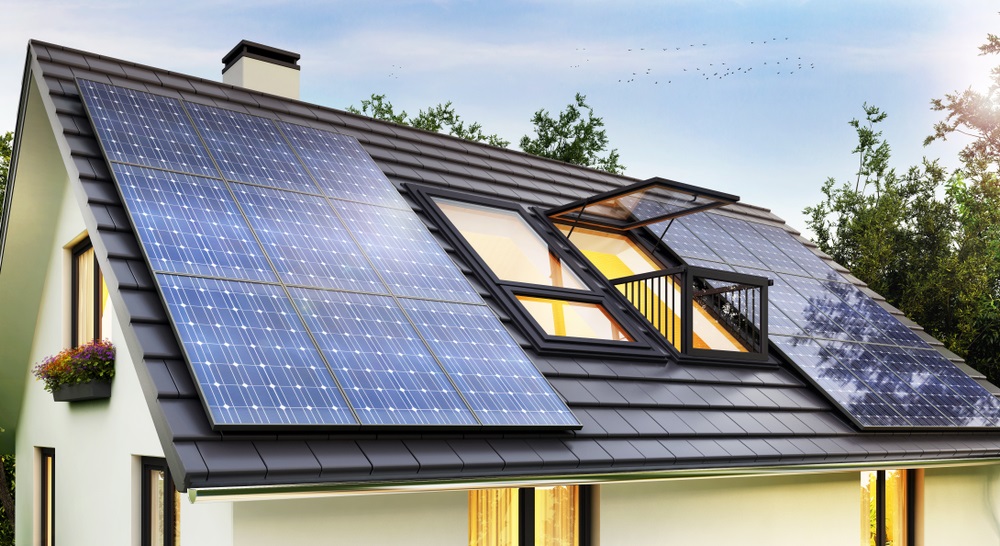
- Residential Installations: A typical home may require 4 to 10 panels to meet its energy needs, depending on consumption and location.
- Commercial Use: Businesses often install multiple panels to offset energy costs, especially in energy-intensive operations.
- Off-Grid Systems: In remote areas, 400-watt panels can be combined with batteries to create a self-sufficient energy system.
Benefits of 400W Solar Panels
Investing in 400-watt solar panels offers several advantages:
- High Efficiency: With a higher wattage, these panels can produce more electricity in a smaller area compared to lower-wattage options.
- Cost-Effective: While the initial investment may be higher, the long-term savings on energy bills can be substantial.
- Environmentally Friendly: Solar energy reduces reliance on fossil fuels, lowering carbon footprints and contributing to a sustainable future.
- Increased Property Value: Homes and businesses with solar installations often see an increase in property value, making it a smart investment.
Challenges and Limitations
Despite the benefits, there are challenges associated with 400-watt solar panels:
- Space Requirements: While efficient, the physical size of these panels may require adequate roof space or ground area for installation.
- Initial Costs: The upfront investment can be significant, which may deter some potential users.
- Weather Dependency: Solar energy production is contingent on sunlight availability, making it less effective in cloudy or rainy conditions.
- Installation Complexity: Proper installation is crucial for optimal performance, requiring professional expertise.
In summary, understanding the size and specifications of 400-watt solar panels is essential for anyone considering solar energy. Their dimensions, efficiency, and practical applications make them a popular choice, but potential users should also be aware of the challenges that come with solar technology.
Key Takeaways on 400W Solar Panels
As we delve into the world of solar energy, understanding the dimensions and capabilities of 400-watt solar panels is crucial for anyone considering making the switch to renewable energy. These panels are not just a technical marvel; they represent a significant step toward sustainable living and energy independence.
Recap of Important Points
- Dimensions: A typical 400-watt solar panel measures around 1.7 meters by 1 meter, making it a substantial yet manageable size for various installations.
- How They Work: Utilizing the photovoltaic effect, these panels convert sunlight into electricity, providing a clean energy source for homes and businesses.
- Practical Applications: From residential rooftops to commercial installations and off-grid systems, 400-watt panels are versatile enough to meet diverse energy needs.
- Benefits: High efficiency, cost-effectiveness, environmental benefits, and increased property value make these panels an attractive investment.
- Challenges: Space requirements, initial costs, weather dependency, and installation complexity are important factors to consider before investing.
The Importance of Solar Energy
The shift toward solar energy is not just a trend; it is a necessity in combating climate change and reducing our reliance on fossil fuels. As energy costs continue to rise and environmental concerns grow, solar panels, particularly the 400-watt variety, offer a practical solution for sustainable energy generation. By harnessing the power of the sun, individuals and businesses can significantly reduce their carbon footprints while enjoying long-term savings on energy bills.
A Useful Tip
If you are considering installing solar panels, take the time to evaluate your energy needs and available space. Consulting with a solar energy expert can help you determine the optimal number of 400-watt panels required to meet your specific energy goals. Additionally, look into local incentives or rebates that can help offset the initial investment.
Surprising Fact
Did you know that a single 400-watt solar panel can produce enough electricity to power a typical home for a day, depending on sunlight availability? This means that with just a few panels, you could significantly reduce or even eliminate your electricity bills!
Myth Debunked
A common myth is that solar panels are only effective in sunny climates. While it’s true that sunlight availability affects energy production, modern solar technology has advanced to the point where panels can still generate electricity even on cloudy days. This means that regardless of where you live, investing in solar energy can still be a viable option.
Encouraging Further Thinking
As you consider the potential of solar energy, think about this: What would your life look like if you could generate your own electricity? The possibilities are not just about saving money; they extend to energy independence and contributing to a cleaner planet. Embracing solar technology is a step toward a more sustainable future, and understanding the dimensions and capabilities of 400-watt panels is just the beginning.