
Unveiling the Components of Solar Panels
The Building Blocks of Solar Energy
Solar panels have become a cornerstone of the renewable energy revolution, transforming sunlight into electricity and offering a sustainable alternative to fossil fuels. As the world grapples with climate change and the urgent need for cleaner energy sources, understanding the materials that make up solar panels is more crucial than ever. This knowledge not only empowers consumers to make informed choices but also highlights the innovation and technology driving the solar industry forward.
At their core, solar panels are designed to harness the sun’s energy, converting it into usable electricity. But what exactly are these panels made of? The answer goes beyond just a simple list of materials; it involves a fascinating interplay of science, engineering, and sustainability. From the silicon that forms the heart of most solar cells to the protective glass and backing materials that ensure durability, each component plays a vital role in the panel’s efficiency and longevity.
In this article, readers will explore the various materials that comprise solar panels, including:
– The primary components like silicon, metals, and glass.
– The role of different types of solar cells, such as monocrystalline, polycrystalline, and thin-film.
– Insights into the manufacturing process and how these materials are sourced and assembled.
– The environmental impact of solar panel production and the ongoing efforts to improve sustainability in the industry.
By the end of this exploration, you will have a comprehensive understanding of what goes into creating solar panels and why these components matter not just for energy production, but also for the future of our planet. Whether you’re a homeowner considering solar energy, a student of environmental science, or simply curious about renewable technologies, this article will shed light on the intricate world of solar panel materials.
Exploring the Components of Solar Panels
Solar panels are intricate assemblies designed to capture sunlight and convert it into electricity. To appreciate their functionality, it’s essential to break down their key components and how they work together.
What is Solar Panel Made Of
Solar panels primarily consist of several key materials, each contributing to their overall efficiency and performance. Here’s a breakdown of the main components:
- Silicon: The heart of most solar cells, silicon is a semiconductor that converts sunlight into electricity. It comes in different forms:
- Monocrystalline Silicon: Made from a single crystal structure, these cells are highly efficient and space-saving.
- Polycrystalline Silicon: Composed of multiple silicon crystals, these cells are less efficient but more affordable.
- Thin-Film Solar Cells: Made from a variety of materials, including cadmium telluride and amorphous silicon, these cells are lightweight and flexible.
- Glass: The top layer of a solar panel is typically made of tempered glass, which protects the solar cells from environmental factors while allowing sunlight to pass through.
- Backsheet: This protective layer at the back of the panel provides insulation and protects against moisture and environmental damage.
- Frame: Usually made of aluminum, the frame adds structural integrity and facilitates mounting.
- Encapsulant: A polymer layer that surrounds the solar cells, protecting them from moisture and mechanical damage.
How It Works

The operation of solar panels is based on the photovoltaic effect, a process that converts light energy into electrical energy. Here’s a simplified explanation of how it works:
1. Sunlight Absorption: When sunlight hits the solar cells, it excites electrons in the silicon, creating electron-hole pairs.
2. Electric Field Creation: The structure of the solar cell creates an electric field that directs these free electrons towards the metal conductive plates on the sides of the cell.
3. Electricity Generation: The movement of electrons generates direct current (DC) electricity, which can be converted to alternating current (AC) using an inverter for use in homes and businesses.
Practical Examples
Solar panels are used in various applications, showcasing their versatility and effectiveness:
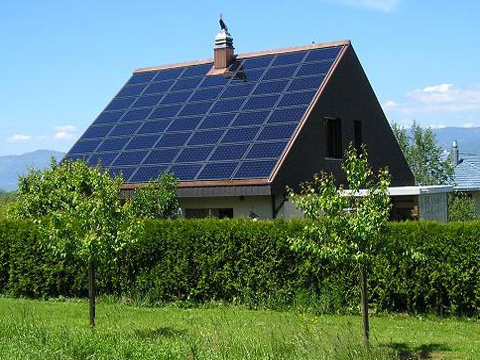
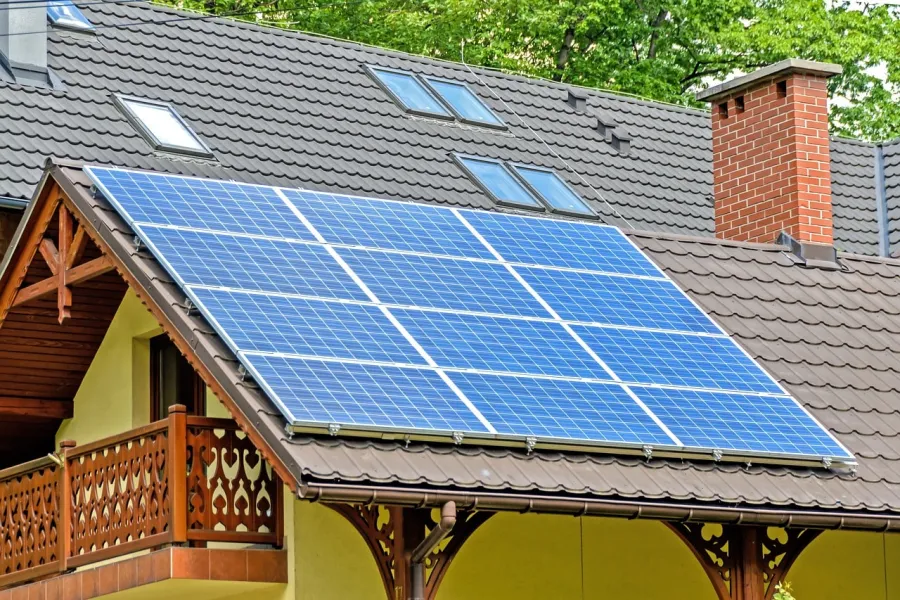
– Residential Solar Systems: Homeowners install solar panels on rooftops to reduce electricity bills and increase energy independence.
– Commercial Installations: Businesses utilize solar panels to power operations, reduce overhead costs, and enhance their sustainability profile.
– Solar Farms: Large-scale solar installations generate significant amounts of electricity, contributing to the grid and promoting renewable energy use.
Benefits of Solar Panels
The advantages of solar panels are numerous, making them an attractive option for energy production:
- Renewable Energy Source: Solar energy is abundant and sustainable, reducing reliance on fossil fuels.
- Lower Electricity Bills: By generating your own electricity, you can significantly cut down on energy costs.
- Environmental Impact: Solar panels produce clean energy, reducing greenhouse gas emissions and air pollution.
- Energy Independence: Utilizing solar energy can reduce dependence on centralized power sources and enhance energy security.
- Increased Property Value: Homes equipped with solar panels often see an increase in property value.
Challenges and Limitations
Despite their benefits, solar panels also face several challenges:
- Initial Costs: The upfront investment for solar panel installation can be high, although prices have been decreasing.
- Intermittency: Solar energy generation is dependent on sunlight, making it less reliable during cloudy days or at night.
- Space Requirements: Solar panels require a significant amount of space for installation, which can be a limitation in urban areas.
- Material Sourcing: The production of solar panels involves mining and processing materials, which can have environmental impacts.
Table of Solar Panel Types and Characteristics
| Type | Efficiency | Cost | Space Requirement |
|---|---|---|---|
| Monocrystalline | 15-22% | High | Less space needed |
| Polycrystalline | 13-16% | Moderate | Moderate space needed |
| Thin-Film | 10-12% | Low | More space needed |
Solar panels represent a significant step towards a sustainable energy future, and understanding their components and functionality is essential for anyone interested in renewable energy.
Key Takeaways on Solar Panel Composition
Solar panels are an essential technology in the transition to renewable energy, and understanding their components is crucial for anyone interested in sustainable practices. Here’s a recap of the main points discussed:
Components of Solar Panels
Solar panels are primarily made up of:
- Silicon: The core material that converts sunlight into electricity.
- Glass: Protects the solar cells while allowing sunlight to penetrate.
- Backsheet: Provides insulation and protection from moisture.
- Frame: Adds structural integrity and facilitates installation.
- Encapsulant: Safeguards the solar cells from damage.
How Solar Panels Work
The photovoltaic effect is the process by which solar panels convert sunlight into electricity. This involves:
- Absorption of sunlight by the solar cells.
- Creation of electron-hole pairs in the silicon.
- Generation of direct current (DC) electricity, which is converted to alternating current (AC) for use.
Benefits and Challenges
Solar panels offer numerous benefits, including:
- Renewable energy source that reduces reliance on fossil fuels.
- Lower electricity bills for homeowners and businesses.
- Positive environmental impact by reducing greenhouse gas emissions.
- Increased property value for homes with solar installations.
However, there are also challenges to consider:
- High initial costs for installation.
- Intermittency of solar energy generation.
- Space requirements for effective installation.
- Environmental impacts related to material sourcing.
Surprising Facts and Myths
One surprising fact is that solar panels can still generate electricity on cloudy days. While their efficiency may decrease, they are not entirely dependent on direct sunlight.
A common myth is that solar panels are only effective in sunny climates. In reality, solar technology can be effective in a variety of weather conditions, making it a viable option in many regions.
Encouraging Further Thought
As you consider the role of solar panels in the future of energy, think about this: How can advancements in solar technology and materials further enhance efficiency and sustainability?
Exploring these questions can lead to a deeper understanding of how we can harness renewable energy to combat climate change and promote a more sustainable future.