
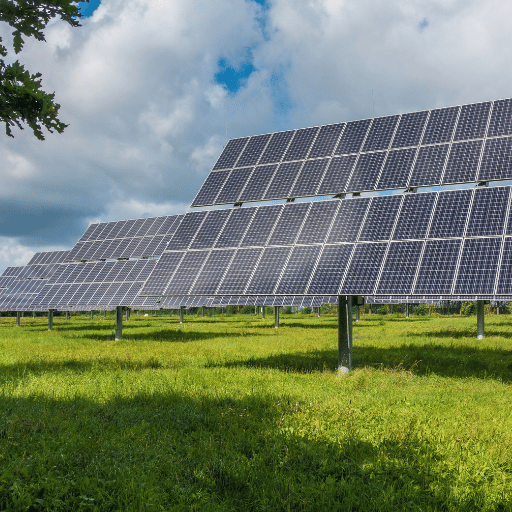
Unlocking the Power of Solar: Measuring Amperage with a Multimeter
Solar energy has emerged as a cornerstone of sustainable living, offering a clean and renewable source of power that can significantly reduce our carbon footprint. As more homeowners and businesses turn to solar panels to harness this energy, understanding how to effectively monitor and maintain these systems becomes crucial. One of the key aspects of solar panel performance is the measurement of amperage, which indicates how much current the panels are producing. This is where a multimeter comes into play—a versatile tool that can help you assess the health and efficiency of your solar setup.
Why should you care about measuring amps? Simply put, knowing the amperage output of your solar panels can help you diagnose issues, optimize performance, and ensure that your system is functioning at its best. Whether you’re troubleshooting a drop in energy production or simply curious about how much power your panels are generating, being able to test amps is an essential skill for any solar enthusiast.
In this article, you will learn the step-by-step process of using a multimeter to measure the amperage output of your solar panels. We will cover the necessary tools, safety precautions, and the specific techniques to get accurate readings. By the end, you will have the confidence to perform this important task, empowering you to take control of your solar energy system and make informed decisions about its maintenance and efficiency. Get ready to dive into the practical world of solar power measurement and unlock the full potential of your renewable energy investment!
Measuring Amperage: The Essentials
When it comes to solar panels, amperage is a critical factor that reflects how much electrical current is being generated. This measurement can help you evaluate the performance of your system and identify any potential issues. Here’s a breakdown of how to effectively test solar panel amps using a multimeter.
How to Test Solar Panel Amps
Testing the amperage output of your solar panels is a straightforward process, but it requires careful attention to detail. Here’s a step-by-step guide:
1. Gather Your Tools: You will need:
– A digital multimeter (DMM)
– Safety gloves and goggles (for safety)
– A solar panel setup (ensure it’s installed and exposed to sunlight)
2. Set Up the Multimeter:
– Turn on the multimeter and set it to measure DC amps (usually denoted as “A” with a straight line).
– Ensure the probes are correctly connected: the black probe goes into the COM port, and the red probe goes into the A (or mA) port.

3. Connect the Multimeter:
– Disconnect the solar panel from the charge controller or battery.
– Connect the multimeter probes in series with the solar panel output. This means connecting one probe to the positive terminal of the solar panel and the other probe to the positive terminal of the charge controller or battery.
4. Take the Reading:
– Ensure the solar panel is in direct sunlight.
– Read the amperage displayed on the multimeter. This value indicates the current output of the solar panel.
5. Record Your Results:
– Document the amperage readings for future reference and comparisons.
Benefits of Measuring Amperage
Knowing how to measure the amperage of your solar panels offers several advantages:
- Performance Monitoring: Regularly checking amperage helps you track the efficiency of your solar panels over time.
- Problem Diagnosis: If you notice a drop in amperage, it could indicate issues such as shading, dirt accumulation, or panel damage.
- System Optimization: Understanding your solar output allows you to optimize energy usage and storage, ensuring you get the most from your investment.
Challenges and Limitations
While measuring amperage is beneficial, there are some challenges and limitations to consider:
- Equipment Sensitivity: Multimeters can be sensitive to improper connections, which may lead to inaccurate readings.
- Environmental Factors: Weather conditions, such as cloud cover or dirt on the panels, can affect the amperage output, making it difficult to gauge true performance.
- Safety Risks: Working with electrical systems always carries risks. Ensure you follow safety protocols to avoid electric shock or damage to your equipment.
Practical Examples
To illustrate the importance of measuring amperage, consider the following scenarios:
| Scenario | Expected Amperage | Actual Amperage | Possible Issue |
|---|---|---|---|
| Sunny Day | 8A | 6A | Shading or dirt on panels |
| Overcast Day | 4A | 2A | Normal drop due to weather |
| Panel Damage | 10A | 3A | Cracked panel or wiring issue |
These examples highlight how measuring amperage can help you identify and address issues that may arise, ensuring that your solar panels operate efficiently. By regularly testing and monitoring the output, you can maintain optimal performance and extend the lifespan of your solar energy system.
Final Thoughts on Measuring Solar Panel Amperage

Measuring the amperage output of your solar panels is not just a technical task; it’s a vital practice that can significantly impact the efficiency and longevity of your solar energy system. By regularly testing the current produced by your panels, you can monitor performance, diagnose issues, and optimize your energy usage.
Key Points to Remember
- Importance of Amperage: Amperage is a direct indicator of how much electrical current your solar panels are generating, which is crucial for assessing system performance.
- Simple Testing Process: Using a multimeter to measure amperage is straightforward, requiring only a few tools and safety precautions.
- Benefits of Regular Monitoring: Regularly checking amperage can help you catch problems early, ensuring your solar panels operate at peak efficiency.
- Challenges to Consider: Be aware of environmental factors and the importance of proper connections to avoid inaccurate readings.
Why This Matters
Understanding how to measure solar panel amperage empowers you as a solar energy user. It allows you to take control of your system, ensuring that you maximize your investment in renewable energy. With the increasing reliance on solar power, being proactive about maintenance and monitoring can lead to significant long-term savings and environmental benefits.
Key Takeaway
One useful tip to remember is to always check your solar panel amperage during peak sunlight hours for the most accurate readings. This will give you a clearer picture of your system’s performance under optimal conditions.
Did You Know?
A common myth is that solar panels only generate electricity during sunny days. In reality, they can still produce power on cloudy days, although at reduced efficiency. Understanding how to measure and interpret amperage can help you appreciate the nuances of solar energy production, even in less-than-ideal conditions.
Encouraging Further Thinking
As you delve deeper into the world of solar energy, consider this: How can you further optimize your solar energy system beyond just measuring amperage? Exploring battery storage solutions or energy management systems could be your next steps in maximizing your solar investment.