
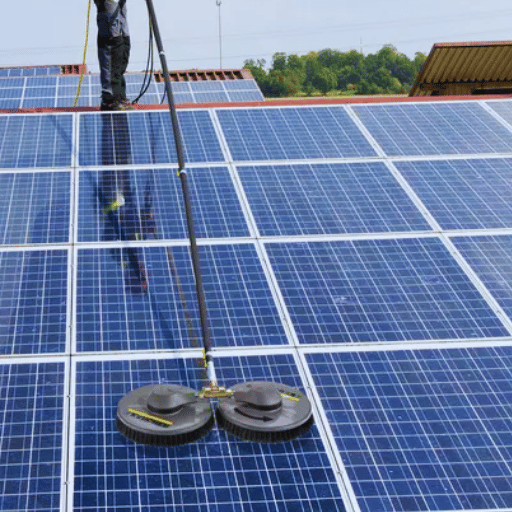
The Importance of Keeping Solar Panels Clean
Why Clean Solar Panels Matter
Solar energy is rapidly becoming a cornerstone of sustainable living, and for good reason. As the world shifts towards greener alternatives, solar panels have emerged as a reliable source of renewable energy. They harness sunlight and convert it into electricity, reducing our reliance on fossil fuels and lowering carbon footprints. However, many homeowners and businesses overlook a crucial aspect of solar panel efficiency: cleanliness.
Dirt, dust, bird droppings, and other debris can accumulate on solar panels, blocking sunlight and significantly reducing their energy output. In fact, studies have shown that unclean panels can lose anywhere from 10% to 25% of their efficiency. This is not just a minor inconvenience; it translates to lost savings on energy bills and a slower return on investment.
So, how often should you roll up your sleeves and give your solar panels a good scrub? The answer isn’t one-size-fits-all. Various factors come into play, including your geographical location, local weather conditions, and the specific environment surrounding your panels. For instance, areas prone to dust storms or heavy bird activity may require more frequent cleaning than those in cleaner, less populated regions.
In this article, we will explore the different factors that influence the cleaning frequency of solar panels. You’ll learn about the signs that indicate your panels need attention, the best cleaning methods to use, and tips for maintaining optimal performance without risking damage. Whether you’re a solar energy newbie or a seasoned pro, understanding the importance of panel maintenance is key to maximizing your investment and ensuring your solar system operates at peak efficiency. Get ready to dive into the nitty-gritty of solar panel upkeep!
Cleaning Frequency for Solar Panels
Factors Influencing Cleaning Frequency
The frequency with which solar panels should be cleaned depends on several key factors. Here’s a breakdown of what to consider:
- Location: Urban areas with high pollution levels or rural regions with agricultural activities may require more frequent cleaning.
- Weather Conditions: Rain can naturally clean panels, but areas with little rainfall may see more dirt accumulation.
- Surrounding Environment: Trees, birds, and nearby construction can contribute to debris on panels, necessitating more regular maintenance.
- Panel Orientation: Panels that are tilted may shed dirt more easily than flat ones, affecting how often they need cleaning.
Recommended Cleaning Schedule
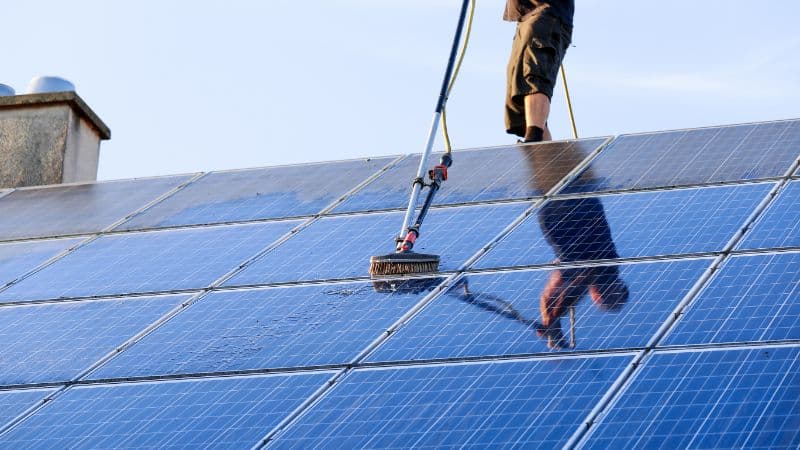
While the specific cleaning frequency can vary, here’s a general guideline based on different conditions:
| Condition | Recommended Cleaning Frequency |
|---|---|
| Clean, Rainy Climate | Once a year |
| Moderate Dust and Debris | Every 6 months |
| High Dust or Bird Activity | Every 3 months |
| Heavy Pollution Areas | Monthly |
Signs Your Panels Need Cleaning
It’s not always easy to determine when your solar panels need a wash. Here are some indicators to look out for:
- Visible Dirt: If you can see dirt, dust, or bird droppings on the panels, it’s time to clean.
- Reduced Energy Output: If your energy production drops unexpectedly, it may be due to dirty panels.
- Weather Events: After a dust storm or heavy rainfall, check your panels for debris.
Benefits of Regular Cleaning
Keeping your solar panels clean offers several advantages:
- Increased Efficiency: Clean panels can operate at their maximum efficiency, ensuring you get the most out of your investment.
- Longer Lifespan: Regular maintenance can extend the life of your solar panels by preventing damage from accumulated debris.
- Better ROI: Higher energy output leads to lower electricity bills, improving your return on investment.
Challenges and Limitations
While cleaning solar panels is essential, it does come with its own set of challenges:
- Safety Concerns: Climbing on roofs can be dangerous. If you’re not comfortable, consider hiring professionals.
- Cost of Cleaning: If you opt for professional cleaning services, it can add to your overall maintenance costs.
- Water Usage: Cleaning panels requires water, which may be a concern in drought-prone areas.
By understanding these factors and maintaining a regular cleaning schedule, you can ensure that your solar panels remain efficient and effective, maximizing your investment in renewable energy.
Keeping Solar Panels in Top Shape
Key Takeaways
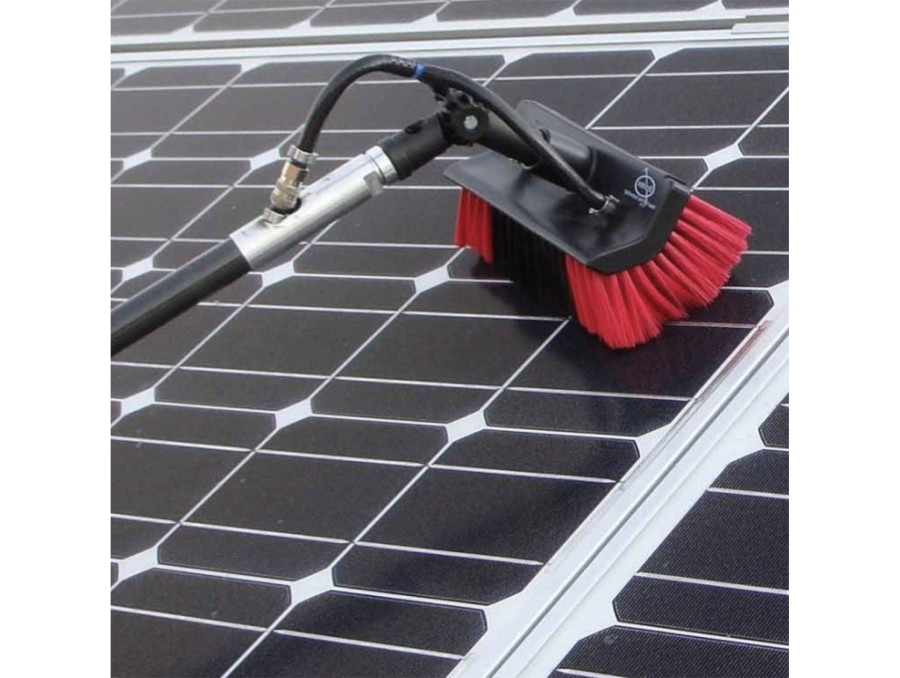
Maintaining the cleanliness of your solar panels is not just a matter of aesthetics; it’s essential for maximizing efficiency and ensuring a solid return on your investment. Here are the main points to remember:
- Frequency of Cleaning: Depending on your location and environmental factors, cleaning can range from once a year to monthly.
- Indicators for Cleaning: Look for visible dirt, reduced energy output, or after specific weather events to determine when your panels need attention.
- Benefits: Regular cleaning boosts efficiency, prolongs the lifespan of your panels, and enhances your overall return on investment.
- Challenges: Safety concerns, costs, and water usage are important factors to consider when planning your cleaning routine.
The Importance of Clean Solar Panels
Clean solar panels are crucial for ensuring that you harness the maximum amount of solar energy available. Dirty panels can lead to significant energy losses, which can cost you money over time. Remember, every percentage point of efficiency lost is money out of your pocket.
Surprising Fact
Did you know that in some cases, dirty solar panels can lose up to 25% of their efficiency? That’s a staggering amount, especially when you consider the investment you’ve made in your solar energy system.
Myth Debunked
A common myth is that rain will clean solar panels effectively. While rain can help, it often isn’t enough to remove stubborn dirt and debris, especially in areas with high pollution or dust. Relying solely on rain can lead to reduced efficiency over time.
Final Thoughts
As you consider your solar panel maintenance routine, remember that a little effort can go a long way. Regular cleaning not only enhances performance but also contributes to a more sustainable future. So, the next time you look at your solar panels, ask yourself: when was the last time they got a good wash? Keeping them clean is not just a chore; it’s an investment in your energy future.