
The Hidden Value of Silver in Solar Technology
Why Silver Matters in Solar Panels
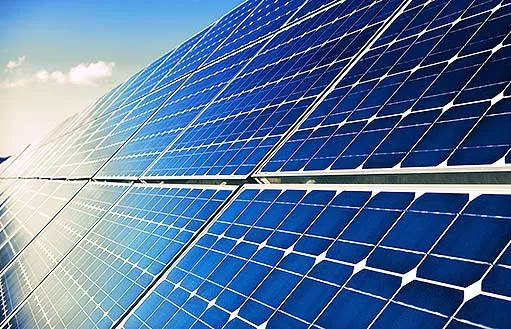
As the world shifts towards renewable energy sources, solar panels have emerged as a cornerstone of sustainable technology. These sleek, glass-covered structures not only harness sunlight to generate electricity but also embody a complex interplay of materials that contribute to their efficiency and effectiveness. Among these materials, silver plays a crucial yet often overlooked role.
Silver is known for its exceptional conductivity, making it an ideal choice for the electrical components of solar panels. But how much silver is actually used in these energy-generating devices? This question is more than just a technical curiosity; it touches on broader themes of resource management, environmental impact, and the economics of renewable energy. As we strive for a greener future, understanding the materials that power our technologies becomes essential.
In this article, we will explore the specific amount of silver found in various types of solar panels, including monocrystalline, polycrystalline, and thin-film technologies. We will also delve into the reasons behind the use of silver, its impact on the overall performance of solar panels, and the implications for sustainability. Additionally, we’ll touch on the recycling potential of silver in solar panels, highlighting how this precious metal can be reclaimed and reused, thus minimizing waste and maximizing resource efficiency.
By the end of this article, you will have a clearer picture of the role silver plays in solar technology, its significance in the renewable energy landscape, and why it matters for both consumers and manufacturers alike. Whether you’re a solar enthusiast, an environmental advocate, or simply curious about how solar panels work, this exploration into the silver lining of solar technology will provide valuable insights into the materials that help power our planet sustainably.
The Role of Silver in Solar Panels
How Much Silver is in a Solar Panel?
The amount of silver in a solar panel can vary significantly based on the type of panel and its design. On average, traditional solar panels contain about 15 to 20 grams of silver per panel. Here’s a breakdown of silver content in different types of solar panels:
| Type of Solar Panel | Average Silver Content (grams) |
|---|---|
| Monocrystalline | 15-20 |
| Polycrystalline | 10-15 |
| Thin-Film | Less than 5 |
This variation is primarily due to the different manufacturing processes and efficiencies of each type of panel. Monocrystalline panels, known for their high efficiency, tend to use more silver than their polycrystalline counterparts. Thin-film panels, while cheaper to produce, use significantly less silver, which can impact their overall efficiency.
How Silver Works in Solar Technology

Silver is primarily used in solar panels for its excellent electrical conductivity. Here’s how it contributes to the functionality of solar panels:
- Conductivity: Silver conducts electricity better than any other metal, making it ideal for the conductive paths that collect and transfer electricity generated by the solar cells.
- Reflectivity: Silver also has high reflectivity, which can enhance the efficiency of solar cells by reflecting additional sunlight onto the active areas of the panel.
- Durability: Silver is resistant to corrosion, ensuring that the conductive pathways remain effective over the lifespan of the solar panel.
Practical Examples of Silver Usage
To illustrate the importance of silver in solar technology, consider the following examples:
1. Monocrystalline Solar Panels: These panels often utilize a silver paste to create conductive pathways. The high silver content contributes to their efficiency, making them a popular choice for residential installations.
2. Polycrystalline Solar Panels: While they contain less silver, these panels still rely on silver for their conductive properties. The reduced silver content helps lower production costs, making them more accessible for budget-conscious consumers.
3. Thin-Film Solar Panels: These panels use significantly less silver, which can reduce costs further. However, their lower efficiency means that more surface area is required to generate the same amount of electricity as crystalline panels.
Benefits of Silver in Solar Panels
The use of silver in solar panels comes with several benefits:
- High Efficiency: Silver enhances the efficiency of solar panels, allowing them to convert more sunlight into electricity.
- Longevity: The durability of silver contributes to the longevity of solar panels, ensuring they perform well over time.
- Recyclability: Silver can be reclaimed from old solar panels, making it a sustainable choice in the long run.
Challenges and Limitations
Despite its advantages, the use of silver in solar panels also presents some challenges:
- Cost: Silver is a precious metal, and its price can fluctuate significantly, impacting the overall cost of solar panels.
- Resource Availability: The mining and extraction of silver can have environmental impacts, raising concerns about sustainability.
- Technological Alternatives: Researchers are exploring alternatives to silver, such as copper, which could reduce costs and environmental impacts in the future.
In summary, while silver plays an essential role in enhancing the efficiency and durability of solar panels, its use also brings challenges that need to be addressed as the solar industry continues to evolve.
Reflecting on the Role of Silver in Solar Energy
Key Takeaways

As we explore the intricate relationship between silver and solar panels, several important points emerge:
- Silver Content: The amount of silver in solar panels varies, with monocrystalline panels containing the most, followed by polycrystalline and thin-film types.
- Functionality: Silver’s exceptional conductivity and reflectivity enhance the efficiency of solar panels, making it a critical component in harnessing solar energy.
- Economic and Environmental Considerations: While silver contributes to the performance of solar panels, its cost and the environmental impact of mining raise important questions about sustainability.
The Importance of Silver in Solar Technology
Understanding the role of silver in solar technology is crucial for several reasons. As the demand for renewable energy sources continues to grow, the efficiency and effectiveness of solar panels become increasingly significant. Silver not only enhances the performance of these panels but also plays a role in the economic viability of solar energy systems.
Moreover, as we strive for a sustainable future, the recycling potential of silver from old solar panels offers a pathway to minimize waste and maximize resource efficiency. This aspect is particularly important in a world where resource scarcity is becoming a pressing issue.
Encouraging Further Thought
As you reflect on the information presented, consider this surprising fact: while silver is a key player in solar technology, researchers are actively exploring alternatives that could reduce reliance on this precious metal. Innovations in materials science may lead to new solutions that maintain efficiency while lowering costs and environmental impacts.
Myth Debunked
One common myth is that solar panels are entirely eco-friendly and free from resource concerns. While they do contribute to reducing carbon footprints, the materials used, including silver, have their own environmental implications. It’s essential to recognize that the journey toward sustainable energy is complex and requires ongoing innovation and responsible resource management.
A Useful Tip
If you’re considering investing in solar technology, keep an eye on the evolving landscape of materials used in solar panels. Understanding the components, including the role of silver, can help you make informed decisions about which products to choose. Look for manufacturers that prioritize sustainability and recycling in their production processes, ensuring that your investment supports a greener future.
In conclusion, the interplay between silver and solar panels is a fascinating topic that highlights both the benefits and challenges of renewable energy technology. As we continue to advance in this field, staying informed about the materials that power our world will be key to fostering a sustainable future.