
The Role of Silver in Solar Technology
Why Silver Matters in Solar Panels
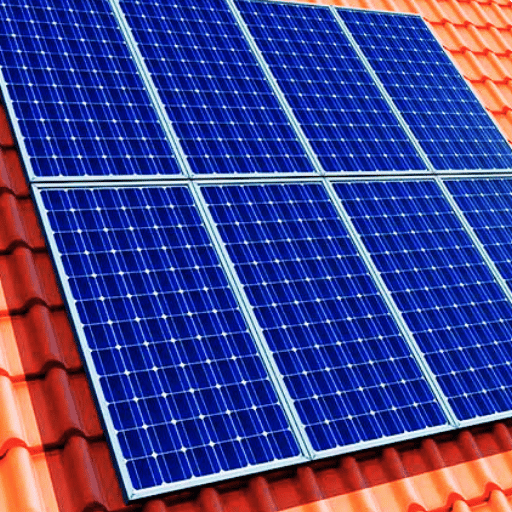
As the world shifts towards renewable energy sources, solar power stands out as a frontrunner in the race for sustainability. Solar panels, the heart of this technology, convert sunlight into electricity, providing a clean and efficient energy source. But have you ever wondered what goes into making these panels? One of the lesser-known yet crucial components is silver.
Silver plays a vital role in the efficiency and performance of solar panels. It is primarily used in the conductive paste that forms the electrical contacts in solar cells. This precious metal boasts remarkable conductivity, enabling the efficient transfer of electricity generated from sunlight. However, the amount of silver used in each panel can vary significantly, influenced by factors such as the type of solar technology, manufacturing processes, and market dynamics.
Why should you care about the silver content in solar panels? For starters, understanding the materials involved in solar technology can help you make informed decisions when considering solar energy for your home or business. Additionally, as silver prices fluctuate, they can impact the overall cost of solar panels, which is a critical factor for consumers and manufacturers alike.
In this article, we will explore the specifics of silver usage in solar panels, including:
– The typical amount of silver found in different types of solar cells
– How advancements in technology are affecting silver consumption
– The environmental implications of silver mining and recycling
– Future trends in solar technology and their potential impact on silver usage
By the end of this exploration, you will have a clearer picture of how much silver is involved in solar panels and why it matters in the broader context of renewable energy. Whether you’re a solar enthusiast, a potential buyer, or simply curious about sustainable technologies, this article aims to shed light on the intricate relationship between silver and solar energy.
Silver Content in Solar Panels
How Much Silver is Used?
The amount of silver in a solar panel can vary based on the type of solar technology employed. On average, traditional silicon-based solar cells contain about 0.1 to 0.2 grams of silver per watt of electricity produced. However, this can differ depending on the design and efficiency of the panel. Here’s a breakdown of silver usage in different types of solar cells:
| Type of Solar Cell | Silver Content (grams per watt) |
|---|---|
| Monocrystalline | 0.15 – 0.20 |
| Polycrystalline | 0.10 – 0.15 |
| Thin-Film | 0.05 – 0.10 |
As you can see, monocrystalline panels typically use more silver than their polycrystalline counterparts. Thin-film technologies, while less efficient, require significantly less silver, making them an attractive option for cost-conscious manufacturers.
How Does Silver Work in Solar Panels?
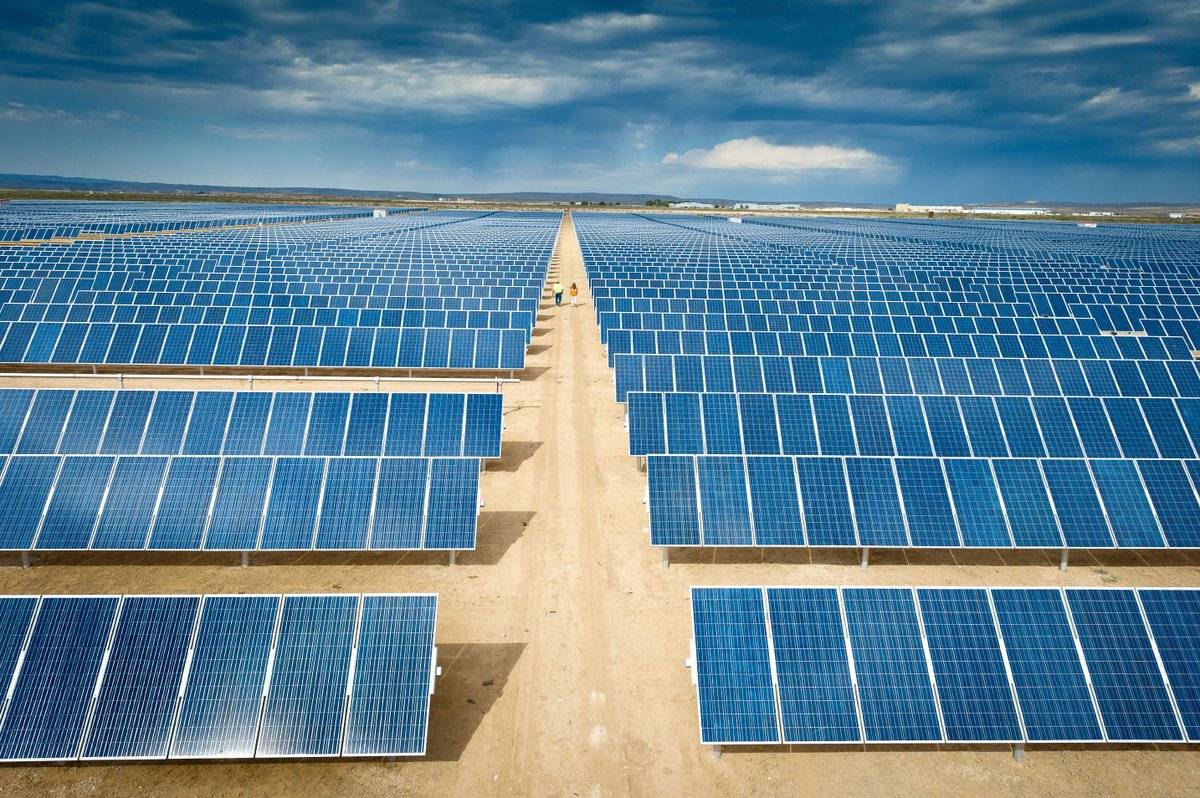
Silver is primarily used in the form of conductive paste, which is applied to the solar cells. This paste is made up of silver nanoparticles mixed with a binding agent. When sunlight hits the solar cells, it generates an electric current. The silver paste facilitates the flow of this current by providing a highly conductive pathway.
Here’s a simplified overview of the process:
1. Sunlight Absorption: Solar cells absorb sunlight, exciting electrons and creating electron-hole pairs.
2. Electric Current Generation: The excited electrons are collected by the conductive silver paste, generating an electric current.
3. Power Output: The current is then sent to an inverter, which converts it into usable electricity for homes and businesses.
Benefits of Using Silver in Solar Technology
The inclusion of silver in solar panels offers several advantages:
- High Conductivity: Silver is the most conductive metal, ensuring efficient energy transfer.
- Enhanced Efficiency: Panels with higher silver content often demonstrate improved energy conversion rates.
- Durability: Silver’s resistance to corrosion contributes to the longevity of solar panels.
These benefits make silver an essential material in the quest for more efficient solar energy solutions.
Challenges and Limitations
Despite its advantages, the use of silver in solar panels is not without challenges:
- Cost Volatility: Silver prices can fluctuate significantly, impacting the overall cost of solar panels.
- Resource Scarcity: Silver is a finite resource, and mining it can have environmental consequences.
- Technological Dependency: Advances in solar technology may reduce silver usage, but current technologies still rely heavily on it.
These challenges highlight the need for ongoing research and innovation in solar technology to minimize silver consumption while maintaining efficiency.
Practical Examples of Silver Usage
Several companies are leading the way in optimizing silver use in solar panels:
1. First Solar: This company specializes in thin-film solar technology, significantly reducing silver usage while maintaining efficiency.
2. SunPower: Known for its high-efficiency panels, SunPower utilizes advanced manufacturing techniques to optimize silver application.
3. Canadian Solar: This manufacturer is exploring alternative materials to reduce reliance on silver without compromising performance.
These examples illustrate the industry’s efforts to balance performance, cost, and sustainability in solar technology.
Key Insights on Silver in Solar Technology
Recap of Silver’s Role

Throughout this exploration, we’ve uncovered the critical role silver plays in solar panels. From its impressive conductivity to its contribution to the efficiency of energy conversion, silver is an indispensable material in the solar energy landscape. Here’s a quick recap of the main points:
- Silver is primarily used in the conductive paste of solar cells, with varying amounts depending on the type of solar technology.
- Monocrystalline panels typically contain more silver than polycrystalline or thin-film panels.
- The benefits of silver include high conductivity, enhanced efficiency, and durability.
- Challenges such as cost volatility, resource scarcity, and technological dependency remain significant considerations.
- Innovative companies are actively working to optimize silver usage while maintaining performance.
The Importance of Understanding Silver Usage
Understanding the role of silver in solar panels is crucial for several reasons. First, it informs consumers and businesses about the materials that contribute to the cost and efficiency of solar technology. As the demand for renewable energy grows, so does the need for transparency regarding the resources involved in solar panel production.
Moreover, as silver prices fluctuate, they can directly impact the affordability of solar energy solutions. By being aware of these dynamics, consumers can make more informed decisions when investing in solar technology.
Key Takeaway
A key takeaway from this discussion is the importance of sustainability in the solar industry. While silver is essential for current technologies, ongoing research is crucial to finding alternatives or reducing its usage without sacrificing efficiency.
Encouraging Further Thought
As we move towards a more sustainable future, consider this surprising fact: the solar industry is actively exploring ways to recycle silver from old panels, potentially creating a circular economy around this precious metal.
Have you ever thought about how the materials in your solar panels impact not just your energy bills, but also the environment? This question invites you to delve deeper into the sustainability of solar technology and the materials that power our transition to renewable energy.
In summary, the relationship between silver and solar panels is complex and multifaceted, making it a vital topic for anyone interested in the future of energy.