
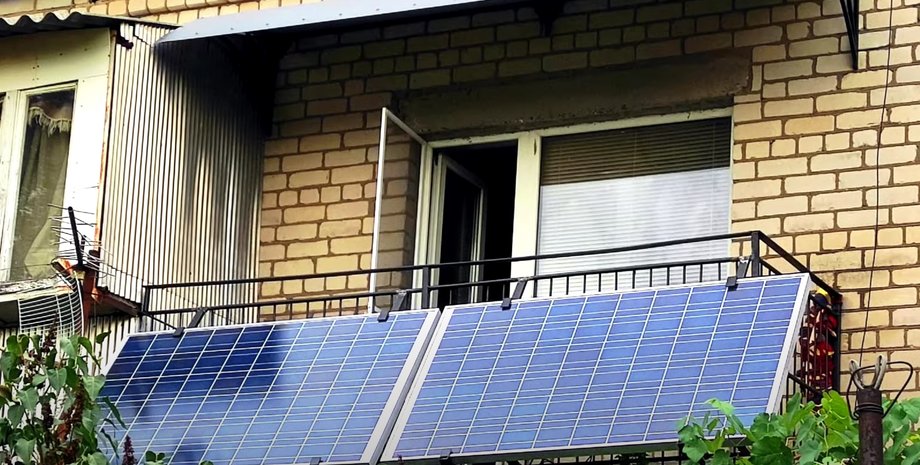
The Power of Solar: Harnessing Energy for Your Home
Why Solar Energy Matters
As the world grapples with climate change and the urgent need for sustainable energy solutions, solar power has emerged as a beacon of hope. With the sun shining down on us every day, it’s a renewable resource just waiting to be harnessed. But how much of that energy do we actually need to power our homes? This question is crucial for homeowners considering solar panel installation, as it directly impacts energy independence, utility bills, and the overall carbon footprint.
Solar energy isn’t just a trendy buzzword; it’s a practical solution that can lead to significant savings and a more sustainable lifestyle. With advancements in technology, solar panels have become more efficient and accessible than ever before. However, many potential users find themselves overwhelmed by the technical jargon and calculations involved in determining how much solar power is necessary for their specific needs.
This article aims to demystify the process of calculating the wattage required to run a typical household. We’ll explore the factors that influence energy consumption, such as the size of your home, the number of occupants, and your lifestyle choices. Additionally, we’ll break down the various types of solar panels available, their efficiency ratings, and how to assess your energy needs accurately.
By the end of this article, you’ll have a clearer understanding of how to assess your home’s energy requirements and the wattage of solar panels that can meet those needs. Whether you’re a seasoned eco-warrior or just starting your journey toward sustainable living, this guide will equip you with the knowledge you need to make informed decisions about solar energy for your home. Let’s dive in and shed some light on how you can harness the sun’s power effectively!
Determining Your Solar Power Needs
How Many Watts of Solar Panels to Run a House
When it comes to figuring out how much solar power you need, the first step is to assess your household’s energy consumption. This process involves understanding your average electricity usage, which is typically measured in kilowatt-hours (kWh). Here’s how to get started:
1. Check Your Utility Bills: Look at your electricity bills for the past year. Most bills will show your monthly kWh usage.
2. Calculate Your Average Daily Usage: Divide your total annual kWh by 365 to find your average daily consumption.
For example, if your annual usage is 12,000 kWh, your average daily usage would be:
12,000 kWh / 365 days = 32.88 kWh per day.
3. Determine Solar Panel Output: The output of solar panels varies based on their wattage and the amount of sunlight they receive. On average, a solar panel produces about 300 watts under optimal conditions.
4. Calculate Required Wattage: To find out how many watts of solar panels you need, you can use the following formula:
Required Wattage = (Daily kWh Usage / Sunlight Hours) * 1000
Assuming you receive about 5 hours of sunlight per day, you can calculate:
Required Wattage = (32.88 kWh / 5 hours) * 1000 = 6576 watts.
This means you would need approximately 6.6 kW of solar panels to meet your daily energy needs.
Practical Examples
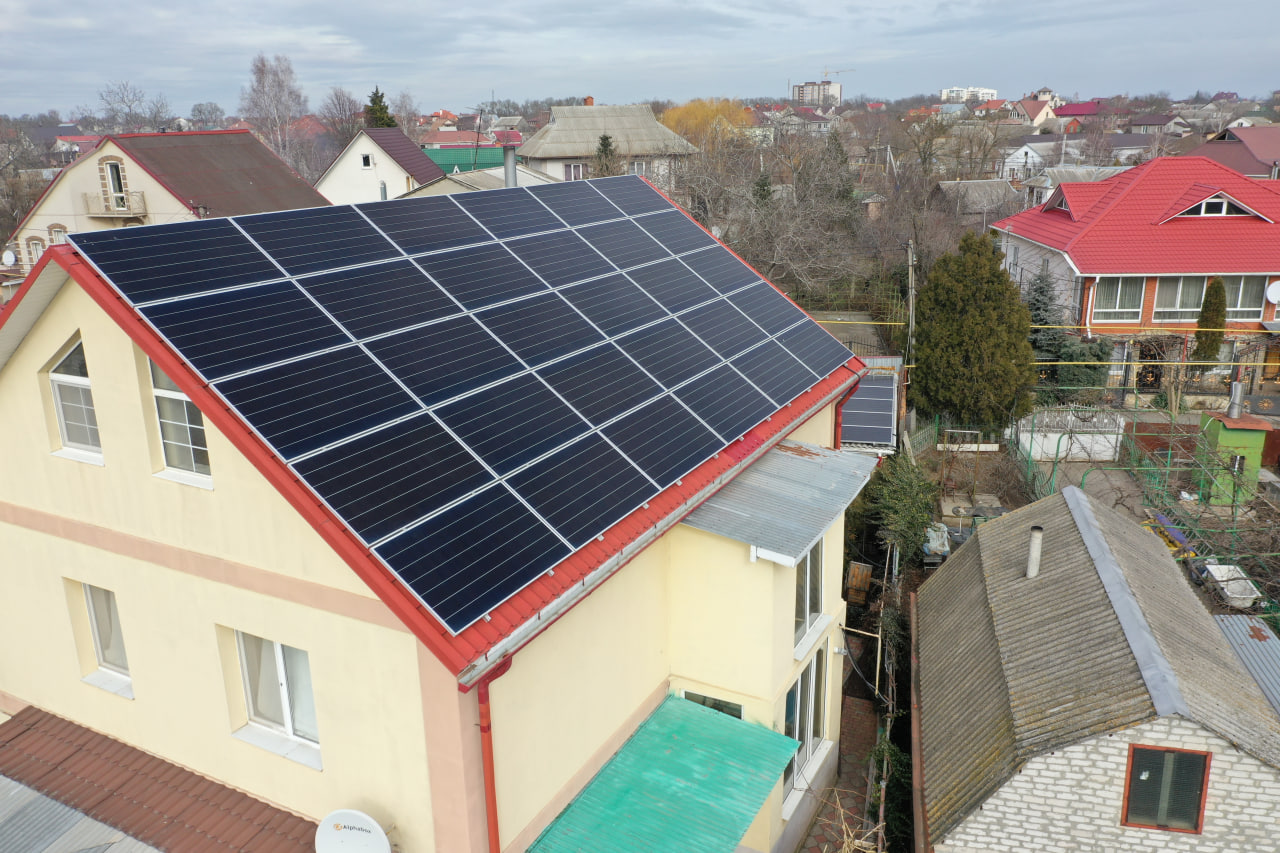
Let’s break this down with a practical example. Consider a household that uses 900 kWh per month:
– Monthly Usage: 900 kWh
– Daily Usage: 900 kWh / 30 = 30 kWh
– Sunlight Hours: 5 hours
Using the formula:
Required Wattage = (30 kWh / 5 hours) * 1000 = 6000 watts.
In this case, the household would need around 6 kW of solar panels.
Benefits of Solar Energy
Switching to solar energy comes with a host of benefits:
- Cost Savings: Reduced electricity bills and potential tax incentives.
- Energy Independence: Less reliance on fossil fuels and utility companies.
- Environmental Impact: Lower carbon footprint and reduced greenhouse gas emissions.
- Increased Property Value: Homes with solar panels often sell for more.
Challenges and Limitations
While solar energy is a fantastic option, it’s not without its challenges:
- Initial Costs: The upfront investment can be significant, although financing options are available.
- Weather Dependency: Solar panels are less effective on cloudy days or during winter months.
- Space Requirements: Not all homes have the roof space needed for sufficient solar panels.
- Energy Storage Costs: If you want to store energy for nighttime use, battery systems can be expensive.
Quick Reference Table
| Household Size | Average Monthly Usage (kWh) | Required Solar Panel Wattage (kW) |
|---|---|---|
| 1-2 People | 300-600 | 3-5 |
| 3-4 People | 600-900 | 5-7 |
| 5+ People | 900-1200 | 7-10 |
By understanding your energy needs and the factors that influence solar panel output, you can make an informed decision about how much solar power is necessary to run your home efficiently.
Wrapping Up the Solar Power Journey
Key Points to Remember
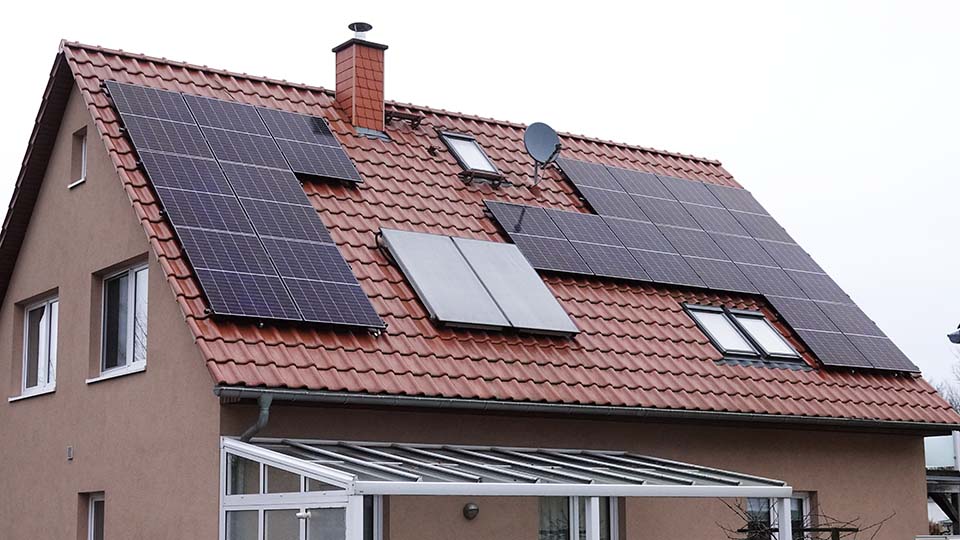
As we’ve explored the essentials of solar energy and how to determine the wattage needed to power your home, several key points stand out:
- Assess Your Energy Needs: Understanding your household’s average daily energy consumption is crucial for determining the right solar panel system.
- Calculate Required Wattage: Use the formula provided to estimate how many watts of solar panels you will need based on your energy usage and available sunlight hours.
- Consider Benefits and Challenges: While solar energy offers significant savings and environmental benefits, it also comes with challenges like initial costs and space requirements.
The Importance of Solar Energy
Solar energy is more than just a trend; it represents a shift toward sustainable living and energy independence. As fossil fuel resources dwindle and climate change accelerates, harnessing the sun’s power is not just a smart financial decision but a necessary step for the planet. By investing in solar panels, homeowners can contribute to a cleaner environment while enjoying long-term savings on energy bills.
Key Takeaway
If you’re considering solar energy for your home, start by gathering your utility bills and calculating your average daily energy usage. This foundational step will guide you in selecting the right solar panel system tailored to your needs.
Surprising Fact
Did you know that the amount of sunlight that hits the Earth in just one hour is enough to power the entire planet for a year? This staggering fact underscores the potential of solar energy and why investing in it is a step toward a sustainable future.
Myth Debunked
A common myth is that solar panels are ineffective in cloudy or rainy climates. While it’s true that solar panels generate less energy on overcast days, they can still produce a significant amount of power. In fact, many solar systems are designed to operate efficiently even in less-than-ideal weather conditions.
Encouraging Further Thought
As you think about transitioning to solar energy, consider this question: What would your life look like if you could generate your own electricity and reduce your reliance on traditional energy sources? Reflecting on this can help motivate you to explore solar options that fit your lifestyle and values.