
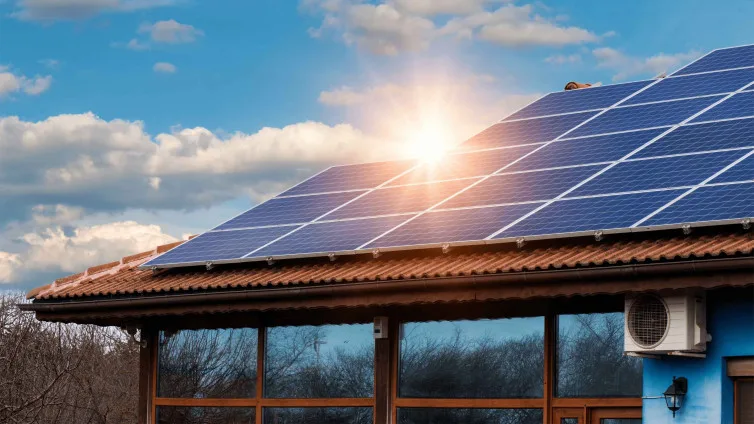
The Power of Solar Energy: Harnessing the Sun for Your Needs
Why Solar Panels Matter
As the world grapples with the pressing issues of climate change and the depletion of fossil fuels, solar energy has emerged as a beacon of hope. It offers a sustainable, renewable alternative that not only reduces our carbon footprint but also provides significant savings on energy bills. With advancements in technology and decreasing costs, more homeowners and businesses are turning to solar power to meet their energy needs. But how do you determine the right number of solar panels required to achieve a specific energy output?
This article delves into the specifics of solar panel requirements, particularly focusing on achieving a 10 kW system. Understanding how many solar panels you need is crucial for several reasons. First, it helps you assess the feasibility of going solar based on your energy consumption and available roof space. Second, it allows you to estimate the initial investment and potential returns over time. Lastly, it empowers you to make informed decisions when selecting solar panels and installation services.
As we explore this topic, you will learn about the factors that influence the number of solar panels required for a 10 kW system. We will discuss the average wattage of solar panels, the impact of geographical location on energy production, and how to calculate your energy needs effectively. By the end of this article, you will have a clearer understanding of how to size your solar panel system, ensuring that you harness the sun’s energy efficiently and effectively. Whether you are a homeowner considering solar energy for the first time or a business looking to make a sustainable switch, this guide will equip you with the knowledge you need to take the next step toward a greener future.
Determining the Right Number of Solar Panels for Your 10 kW System
How Many Solar Panels for 10 kW
When considering a solar panel system, one of the first questions that arises is how many panels are needed to achieve a specific power output, such as 10 kW. The answer depends on several factors, including the wattage of the solar panels you choose and the average sunlight your location receives.
1. Average Wattage of Solar Panels: Most residential solar panels have a wattage rating between 250 to 400 watts. To determine how many panels you need for a 10 kW system, you can use the following formula:
– Number of Panels = Total System Size (in watts) / Panel Wattage
For example, if you choose 300-watt panels:
– Number of Panels = 10,000 watts / 300 watts = approximately 33 panels
2. Sunlight Hours: The amount of sunlight your area receives also plays a crucial role. Regions with more sunlight will produce more energy, potentially allowing you to use fewer panels.
– For instance, if you live in a sunny area with an average of 5 peak sunlight hours per day, your system will generate more energy compared to a location with only 3 peak sunlight hours.
Practical Examples
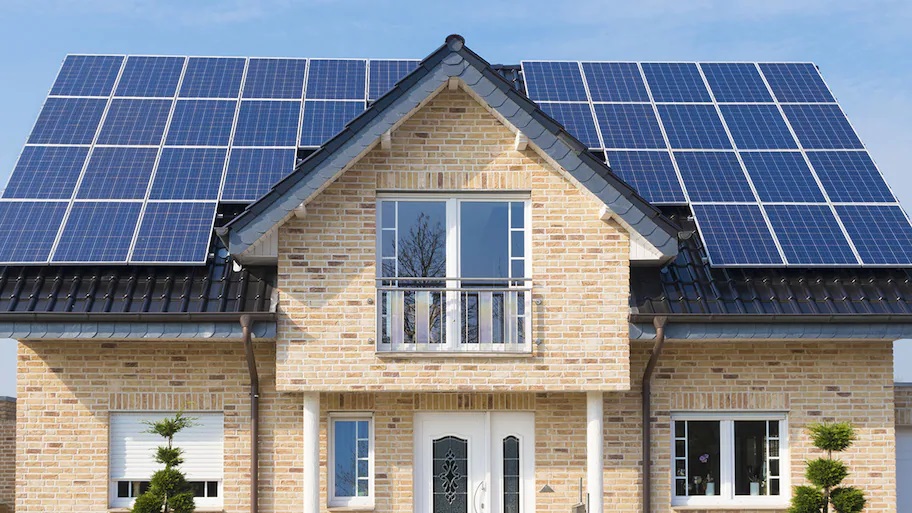
To illustrate how this works in real life, let’s consider two different scenarios:
– Scenario 1: A homeowner in Arizona, where the average peak sunlight hours are around 5.5 hours per day, decides to install a 10 kW system using 300-watt panels.
– Calculation:
– Number of Panels = 10,000 watts / 300 watts = approximately 33 panels
– Daily Energy Production = 33 panels * 300 watts * 5.5 hours = 54,450 watt-hours or 54.45 kWh
– Scenario 2: A homeowner in Seattle, where the average peak sunlight hours are about 3.5 hours per day, also wants a 10 kW system with 300-watt panels.
– Calculation:
– Number of Panels = 10,000 watts / 300 watts = approximately 33 panels
– Daily Energy Production = 33 panels * 300 watts * 3.5 hours = 34,650 watt-hours or 34.65 kWh
As you can see, while both homeowners may need the same number of panels, the energy production varies significantly due to sunlight availability.
Benefits of a 10 kW Solar System
Investing in a 10 kW solar system comes with numerous advantages:
- Cost Savings: Reducing or eliminating your electricity bill can lead to substantial savings over time.
- Environmental Impact: Solar energy is clean and renewable, helping to reduce greenhouse gas emissions.
- Energy Independence: Generating your own electricity can protect you from rising energy costs and grid outages.
- Increased Property Value: Homes with solar installations often see an increase in property value.
Challenges and Limitations
While the benefits are compelling, there are also challenges to consider:
- Initial Costs: The upfront investment for a 10 kW solar system can be significant, although incentives and financing options are available.
- Space Requirements: Depending on the wattage of the panels, you may need a substantial amount of roof space to install enough panels.
- Weather Dependency: Solar energy production is contingent on sunlight; cloudy days can reduce efficiency.
- Maintenance: While solar panels require minimal maintenance, they do need occasional cleaning and inspections to ensure optimal performance.
Cost Breakdown
To provide a clearer picture of the financial aspect, here’s a simple table outlining the estimated costs associated with a 10 kW solar system:
| Item | Estimated Cost |
|---|---|
| Solar Panels (33 panels at $300 each) | $9,900 |
| Inverter | $1,000 |
| Installation | $2,000 |
| Permits and Fees | $500 |
| Total Estimated Cost | $13,400 |
This breakdown gives you an idea of the financial commitment involved in setting up a 10 kW solar system. While the initial costs may seem daunting, the long-term savings and environmental benefits make it a worthwhile investment for many.
Key Takeaways on Solar Panel Requirements for a 10 kW System
Recap of Main Points
As we explored the intricacies of determining how many solar panels are needed for a 10 kW system, several key points emerged:
- Panel Wattage Matters: The wattage of individual solar panels significantly influences the total number required. Common residential panels range from 250 to 400 watts.
- Sunlight Availability: The average peak sunlight hours in your location directly affect energy production, meaning that two homes with the same number of panels can generate different amounts of electricity.
- Cost Considerations: While the initial investment for a 10 kW system can be substantial, the long-term savings on energy bills and the environmental benefits make it a compelling choice.
- Space Requirements: Adequate roof space is essential for installation, and homeowners should assess their property before committing to a solar system.
The Importance of Going Solar
The shift towards solar energy is not just a trend; it is a necessary step in addressing climate change and reducing reliance on fossil fuels. By investing in solar power, individuals and businesses can contribute to a more sustainable future while also enjoying financial benefits.
Moreover, as technology advances and costs continue to decline, solar energy is becoming increasingly accessible. This makes it an opportune time for anyone considering solar to take action.
Key Takeaway
If you’re contemplating a solar panel installation, remember that understanding your energy needs and local conditions is crucial. Before making a decision, consider conducting an energy audit to determine your consumption patterns and how a solar system can best meet your needs.
Surprising Fact
Did you know that solar panels can still generate electricity on cloudy days? While their efficiency may decrease, they can still capture diffused sunlight. This myth often discourages potential users from considering solar energy, but the reality is that solar power can be a reliable energy source year-round.
Encouraging Further Thinking
As you ponder the benefits of solar energy, ask yourself: What would it mean for your household or business to be energy independent? How would reducing your carbon footprint impact your community? These questions can help guide your decision-making process and inspire you to take the next steps toward a sustainable energy future.