
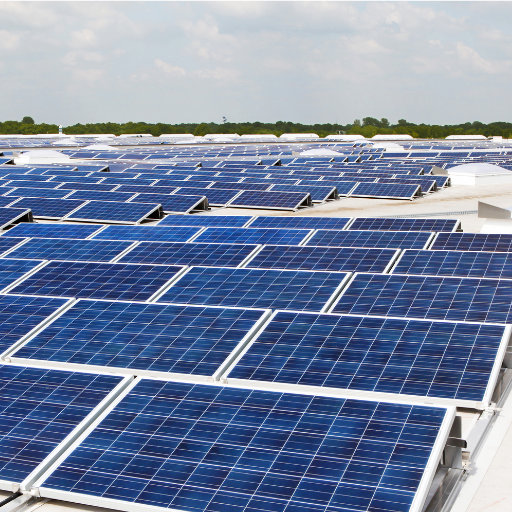
Harnessing the Power of the Sun: A Land of Opportunity
Why Space Matters in Solar Energy
As the world shifts toward renewable energy sources, solar power has emerged as a frontrunner in the race to combat climate change. With the sun shining down on us every day, the potential for harnessing this abundant energy is immense. But as we dive into the world of solar energy, one question often arises: how much land do we actually need to make a significant impact? Specifically, when it comes to solar panels, understanding the space they occupy is crucial for planning and implementation.
When we talk about solar panels, we’re not just discussing shiny rectangles that convert sunlight into electricity. We’re talking about a transformative technology that can power homes, businesses, and even entire communities. However, the effectiveness of solar installations is heavily influenced by their placement and the amount of land available. This is where the concept of acreage comes into play.
An acre is a unit of area that equals 43,560 square feet, and it serves as a standard measurement for land use. Knowing how many solar panels can fit in an acre is essential for developers, policymakers, and anyone interested in maximizing solar energy production. This information helps in assessing the feasibility of solar projects, estimating costs, and understanding the potential energy output.
In this article, we’ll explore the factors that determine how many solar panels can be installed on an acre of land. You’ll learn about the average size of solar panels, the spacing required for optimal performance, and the impact of local regulations and environmental considerations. We’ll also delve into the practical implications of this knowledge, from residential installations to large-scale solar farms.
By the end of this exploration, you’ll have a clearer picture of how land use plays a pivotal role in solar energy production. Whether you’re a homeowner considering solar panels or a developer looking to invest in renewable energy, understanding the relationship between land and solar installations is key to making informed decisions. Let’s shine a light on this topic and uncover the potential that lies within an acre of land.
Maximizing Solar Potential: The Space Equation
How Many Solar Panels Can Fit in an Acre
When it comes to solar energy, the number of panels that can fit in an acre is influenced by several factors, including the size of the panels, the layout of the installation, and local regulations. On average, a standard solar panel measures about 65 inches by 39 inches, which translates to approximately 17.6 square feet per panel.
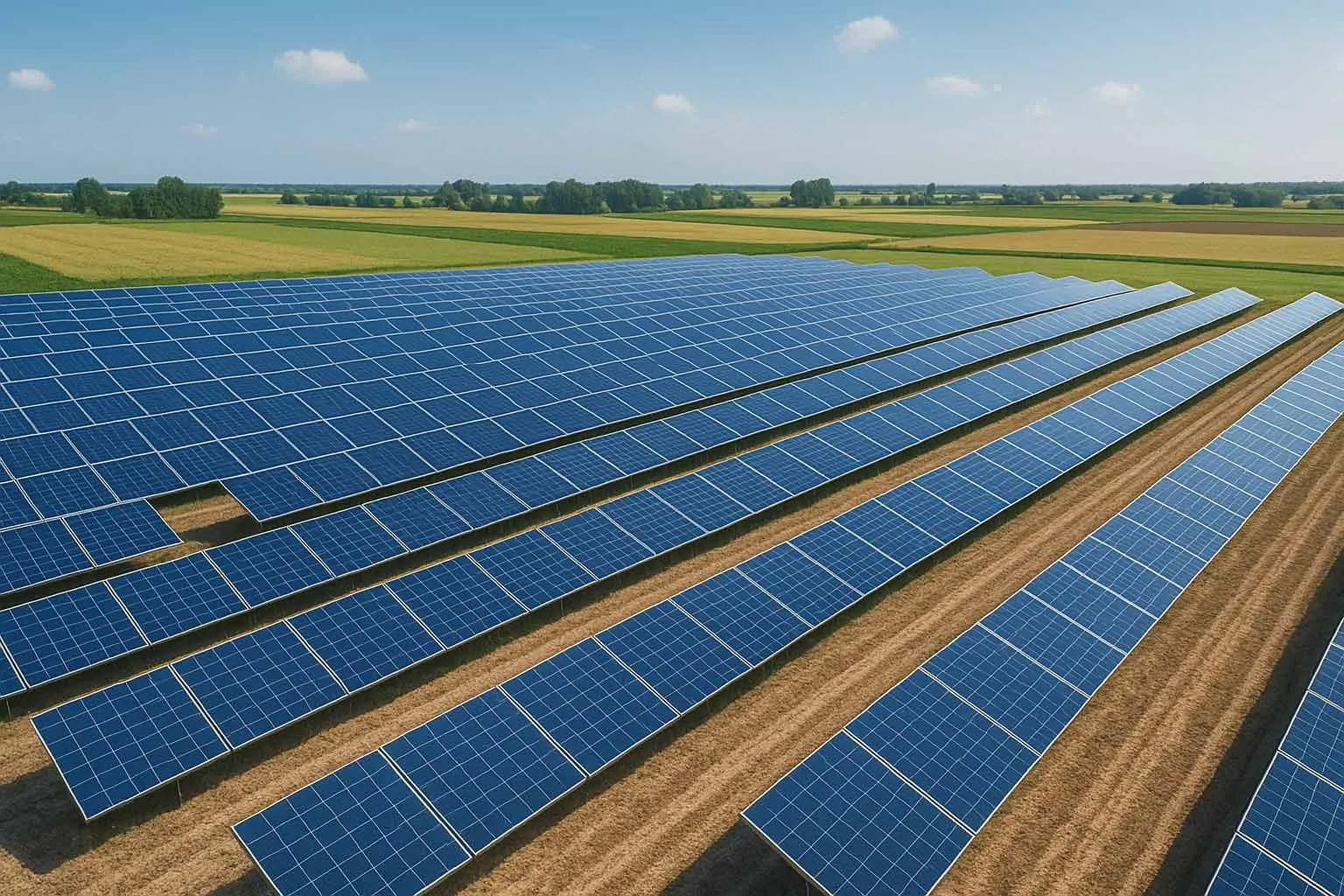
To calculate how many panels can fit in an acre, we can start with some basic math:
1 acre = 43,560 square feet
Using the average size of a solar panel:
43,560 square feet / 17.6 square feet per panel ≈ 2,477 panels
However, this number can vary based on the following considerations:
- Spacing: Panels need to be spaced apart to avoid shading and allow for maintenance. This can reduce the total number of panels that can fit in an acre.
- Orientation: The angle and direction of the panels can affect their efficiency and may require additional space for optimal sunlight exposure.
- Local Regulations: Zoning laws and land use regulations may impose restrictions on how much land can be used for solar installations.
Practical Examples of Solar Installations
To illustrate how these factors play out in real-world scenarios, let’s look at a few practical examples of solar installations:
| Type of Installation | Approximate Panels per Acre | Energy Output (kWh) |
|---|---|---|
| Residential | 20-30 | 5,000-10,000 |
| Commercial Rooftop | 100-200 | 20,000-50,000 |
| Utility-Scale Solar Farm | 1,500-2,500 | 1,000,000+ |
These examples highlight the diversity of solar installations and their varying capacities based on the available space and intended use.
Benefits of Solar Panel Installations
The advantages of installing solar panels are numerous and impactful:
- Renewable Energy Source: Solar energy is abundant and sustainable, reducing reliance on fossil fuels.
- Cost Savings: Once installed, solar panels can significantly reduce electricity bills and may even generate income through net metering.
- Environmental Impact: Solar installations contribute to lower greenhouse gas emissions and promote cleaner air.
- Energy Independence: Utilizing solar energy can reduce dependence on imported fuels, enhancing national energy security.
Challenges and Limitations
Despite the many benefits, there are also challenges associated with solar panel installations:
- Initial Costs: The upfront investment for solar panels and installation can be high, though prices have been decreasing over the years.
- Space Requirements: Not all properties have enough space for effective solar installations, especially in urban areas.
- Weather Dependency: Solar energy production can be affected by weather conditions, requiring backup energy sources.
- Maintenance: While generally low, solar panels do require some maintenance to ensure optimal performance.
In summary, understanding how many solar panels can fit in an acre is crucial for maximizing solar energy production. By considering the factors that influence installation capacity, we can better appreciate the potential of solar energy as a sustainable solution for our energy needs.
Bringing It All Together: The Solar Landscape
Key Points to Remember
As we’ve explored the relationship between solar panels and land use, several key points stand out:
- Panel Capacity: On average, an acre can accommodate approximately 2,477 solar panels, but this number can vary based on spacing, orientation, and local regulations.
- Types of Installations: Different types of solar installations—residential, commercial, and utility-scale—have varying capacities and energy outputs.
- Benefits: Solar energy offers numerous advantages, including cost savings, environmental benefits, and energy independence.
- Challenges: Initial costs, space requirements, and weather dependency are important considerations when planning solar installations.
The Importance of Solar Energy
The significance of understanding how many solar panels can fit in an acre cannot be overstated. As we face the pressing challenges of climate change and energy sustainability, maximizing the efficiency of solar installations becomes crucial. This knowledge empowers homeowners, businesses, and policymakers to make informed decisions about renewable energy investments.
Moreover, as technology continues to advance, the efficiency of solar panels is expected to improve, allowing for even greater energy production in smaller spaces. This evolution makes it increasingly feasible to integrate solar energy into various environments, from urban rooftops to expansive rural landscapes.
Key Takeaway
If you’re considering solar energy for your home or business, remember that every square foot counts. Assess your available space and consult with solar energy professionals to determine the best configuration for your needs.
Encouraging Further Thought
Did you know that the largest solar farm in the world, the Bhadla Solar Park in India, spans over 5,700 acres and has a capacity of 2,245 MW? This massive installation is a testament to the potential of solar energy when land is utilized effectively.
As you ponder the possibilities of solar energy, consider this: What if every acre of unused land was transformed into a solar farm? The impact on our energy landscape could be revolutionary.
In a world increasingly focused on sustainability, exploring the potential of solar energy is not just beneficial; it’s essential. Whether you’re a homeowner, a business owner, or simply a curious reader, the journey into solar energy is one worth taking.