
The Solar Power Revolution: A Path to Sustainable Energy
Why Solar Energy Matters
As the world grapples with the pressing challenges of climate change, dwindling fossil fuel reserves, and the urgent need for sustainable energy solutions, solar power has emerged as a beacon of hope. The sun, an abundant and renewable resource, offers a clean alternative to traditional energy sources. Transitioning to solar energy not only reduces greenhouse gas emissions but also enhances energy independence and creates jobs in the renewable sector. With the U.S. being one of the largest consumers of energy globally, the question arises: how much land would it take to harness solar power on a scale that could meet the country’s energy needs?
This topic is not just a theoretical exercise; it has real-world implications for energy policy, urban planning, and environmental conservation. As we explore the acreage required for solar panels to power the entire United States, we will delve into various factors that influence this calculation, including energy consumption patterns, solar panel efficiency, and geographical considerations.
In this article, readers will discover the following:
– The current state of solar energy adoption in the U.S. and its potential for growth.
– A breakdown of the energy consumption statistics that inform our calculations.
– An analysis of the land requirements for solar farms and how they compare to other land uses.
– Insights into technological advancements that could optimize solar energy production.
– The role of government policies and incentives in accelerating the transition to solar power.
By the end of this exploration, you’ll have a clearer picture of the land needed for solar energy and the broader implications for a sustainable future. So, let’s dive into the numbers and uncover the potential of solar power to transform the energy landscape of the United States.
Calculating the Land Needed for Solar Power
How Many Acres of Solar Panels Are Required?
To grasp the scale of solar energy needed to power the entire United States, we first need to look at the country’s energy consumption. The U.S. consumes approximately 4,000 billion kilowatt-hours (kWh) of electricity annually. Solar panels can produce energy based on their efficiency and the amount of sunlight they receive, which varies by location.
On average, a solar panel produces about 300 watts of power. Assuming optimal conditions, a solar panel can generate around 1,200 kWh per year. To meet the entire U.S. energy demand using solar panels, we can make some calculations:
1. Total Energy Demand: 4,000 billion kWh
2. Energy Produced by One Panel Annually: 1,200 kWh
3. Number of Panels Needed: 4,000 billion kWh / 1,200 kWh per panel ≈ 3.33 billion panels
Next, we need to determine how much land is required for these panels. A typical solar panel installation occupies about 100 square feet per panel. Therefore, the total area required can be calculated as follows:
– Total Area Required: 3.33 billion panels * 100 square feet = 333 billion square feet
– Convert to Acres: 333 billion square feet / 43,560 square feet per acre ≈ 7.65 million acres
This means that approximately 7.65 million acres of solar panels would be needed to power the entire United States.
Practical Examples of Solar Farms
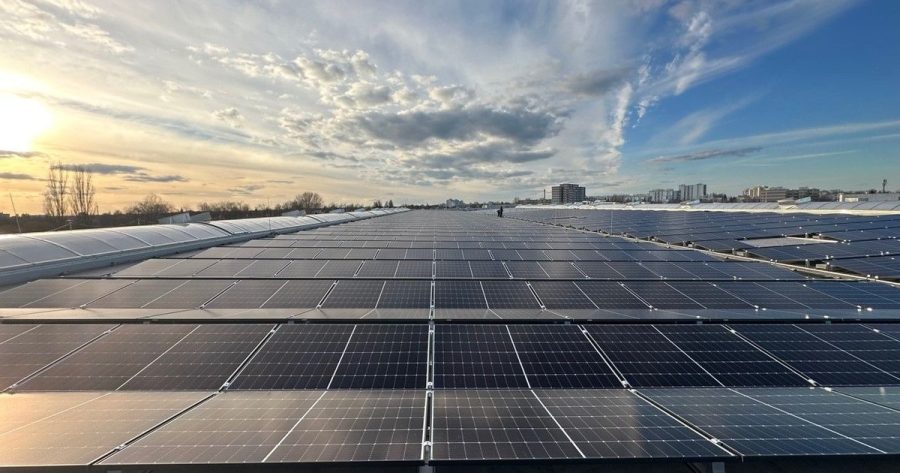
Several large-scale solar farms across the U.S. demonstrate the feasibility of solar energy generation. Here are a few notable examples:
- Topaz Solar Farm (California): One of the largest solar farms in the world, covering 9.5 square miles and generating 550 MW of power.
- Mount Signal Solar (California): A 794 MW solar project that spans over 2,000 acres.
- Copper Mountain Solar Facility (Nevada): A 802 MW solar farm that occupies 3,000 acres.
These projects illustrate how large tracts of land can be effectively utilized for solar energy production, contributing significantly to local and national energy grids.
Benefits of Solar Energy
The advantages of transitioning to solar energy are numerous:
- Environmental Impact: Solar power reduces greenhouse gas emissions and reliance on fossil fuels.
- Energy Independence: Utilizing domestic solar resources decreases dependence on foreign oil.
- Job Creation: The solar industry has been a significant source of employment growth, creating jobs in manufacturing, installation, and maintenance.
- Cost Savings: Once installed, solar panels can significantly reduce electricity bills, and many states offer incentives for solar adoption.
Challenges and Limitations
Despite the clear benefits, there are challenges associated with solar energy:
- Land Use: The requirement for large areas of land can lead to conflicts with agriculture and natural habitats.
- Intermittency: Solar power generation is dependent on sunlight, making it less reliable during cloudy days or at night.
- Initial Costs: Although prices have decreased, the upfront cost of solar panel installation can still be a barrier for many consumers.
- Energy Storage: Efficient storage solutions are needed to ensure a continuous power supply, which can be costly and complex.
Table: Comparison of Solar Farms
| Solar Farm | Location | Capacity (MW) | Area (Acres) |
|---|---|---|---|
| Topaz Solar Farm | California | 550 | 6,400 |
| Mount Signal Solar | California | 794 | 2,000 |
| Copper Mountain Solar Facility | Nevada | 802 | 3,000 |
By examining these aspects, we can see that while solar energy presents a promising solution to meet the U.S. energy demand, it also comes with its own set of challenges that need to be addressed for a successful transition.
Reflecting on Solar Energy’s Potential
Key Points Recap
As we explored the land requirements for solar energy to power the United States, several critical points emerged:
- The U.S. consumes around 4,000 billion kWh of electricity annually, necessitating a substantial solar panel installation to meet this demand.
- Approximately 7.65 million acres of solar panels would be required to generate enough energy to power the entire nation.
- Large-scale solar farms, such as the Topaz Solar Farm and Mount Signal Solar, showcase the feasibility of solar energy generation on a massive scale.
- Solar energy offers numerous benefits, including environmental sustainability, energy independence, job creation, and cost savings.
- Challenges such as land use, intermittency, initial costs, and energy storage need to be addressed for a successful transition to solar power.
The Importance of Solar Energy
The significance of solar energy cannot be overstated. As a clean, renewable resource, it plays a crucial role in combating climate change and reducing our reliance on fossil fuels. The transition to solar power is not just an environmental imperative; it also presents an opportunity for economic growth and innovation. By investing in solar technology, we can create jobs, stimulate local economies, and pave the way for a more sustainable future.
Key Takeaway
One of the most surprising aspects of solar energy is its rapid growth and decreasing costs. Over the past decade, the price of solar panels has dropped significantly, making solar energy more accessible to consumers and businesses alike. This trend is expected to continue, further enhancing the viability of solar power as a mainstream energy source.
Encouraging Further Thinking
As you reflect on the potential of solar energy, consider this question: What role can you play in promoting solar adoption in your community? Whether it’s advocating for local solar initiatives, exploring solar options for your home, or simply educating others about the benefits of renewable energy, every action counts.
In conclusion, the journey toward a solar-powered future is not just a technical challenge; it is a collective responsibility that requires the engagement of individuals, communities, and policymakers alike. By embracing solar energy, we can take significant strides toward a cleaner, more sustainable world.