
The Distance Dilemma: Wiring Your Solar Panels
Why It Matters
As the world shifts towards renewable energy, solar power stands out as a leading solution for sustainable living. With the sun shining down on us every day, harnessing its energy through solar panels has become increasingly popular among homeowners and businesses alike. However, one critical aspect often overlooked in solar panel installation is the distance between the panels and the inverter or battery storage system. This seemingly minor detail can significantly impact the efficiency and performance of your solar energy system.
Imagine investing in a state-of-the-art solar setup only to find out that the wires connecting your panels to the inverter are too long, causing energy loss and inefficiencies. This is where understanding the limitations and guidelines for running solar panel wires becomes essential. The distance you can run these wires affects not only the overall performance of your solar energy system but also your return on investment.
What You Will Learn
In this article, we will explore the factors that determine how far you can run solar panel wires without compromising performance. We will delve into the concepts of voltage drop, wire gauge, and the importance of proper installation techniques. You will learn about the different types of wiring materials available and how they can influence the distance you can effectively cover.
Additionally, we will provide practical tips and best practices for optimizing your solar panel wiring setup. Whether you are a DIY enthusiast looking to install your own system or a homeowner considering professional installation, this information will empower you to make informed decisions that enhance the efficiency of your solar energy system.
Join us as we unravel the complexities of solar panel wiring and help you maximize the potential of your solar investment.
Exploring Wiring Distances for Solar Panels
Key Concepts
When it comes to running solar panel wires, several key concepts play a crucial role in determining how far you can extend your wiring without significant energy loss. Here are the primary factors to consider:
- Voltage Drop: This refers to the reduction in voltage as electricity travels through the wire. The longer the wire, the greater the voltage drop, which can lead to inefficiencies in your solar system.
- Wire Gauge: The thickness of the wire is measured in American Wire Gauge (AWG). Thicker wires (lower AWG numbers) have less resistance and can carry electricity over longer distances with minimal voltage drop.
- Current (Amperage): The amount of current flowing through the wire also affects the voltage drop. Higher current levels require thicker wires to minimize losses.
How It Works
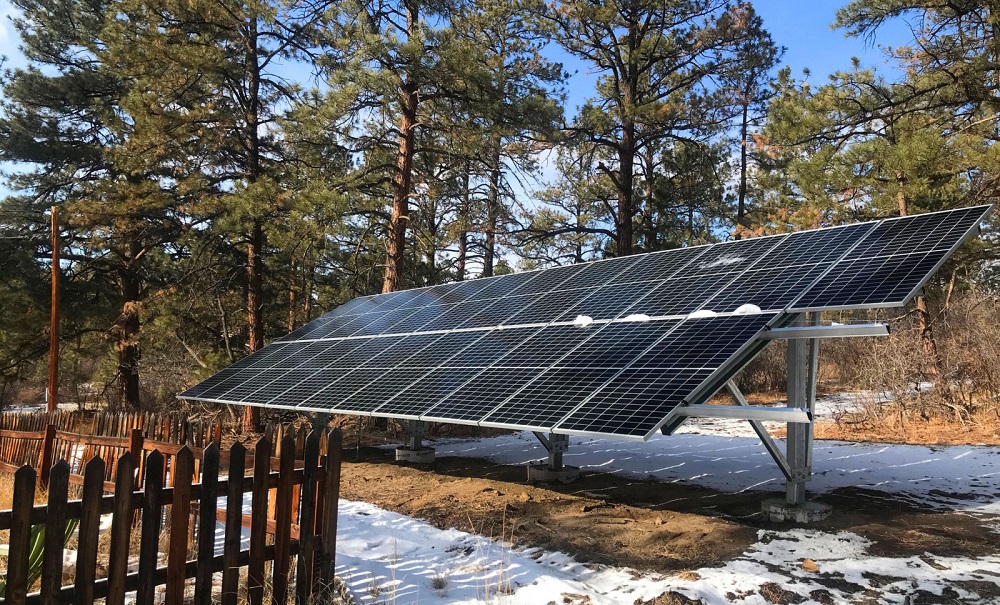
The basic principle behind solar panel wiring is straightforward. Solar panels generate direct current (DC) electricity, which needs to be transmitted to an inverter that converts it to alternating current (AC) for use in your home or for feeding back into the grid. The distance between the panels and the inverter is critical, as longer distances can lead to energy losses.
To calculate the maximum distance you can run your solar panel wires, you can use the following formula:
– Voltage Drop (%) = (2 * Length of Wire (ft) * Amperage) / (Wire Gauge Constant)
The wire gauge constant varies based on the wire size and material. For copper wire, it is typically around 10. However, this formula is a simplified version, and various factors can influence the actual voltage drop.
Practical Examples
To illustrate how distance affects solar panel wiring, consider these practical examples:
| Wire Gauge (AWG) | Max Distance (ft) at 5% Voltage Drop | Max Distance (ft) at 3% Voltage Drop |
|---|---|---|
| 10 | 100 | 60 |
| 12 | 80 | 50 |
| 14 | 60 | 35 |
As shown in the table, using a thicker wire allows for longer distances without exceeding acceptable voltage drop levels. This is crucial for maintaining the efficiency of your solar energy system.
Benefits of Proper Wiring
Running solar panel wires correctly offers several benefits:
- Increased Efficiency: Minimizing voltage drop ensures that more energy generated by the panels reaches the inverter, maximizing your system’s output.
- Cost Savings: By optimizing wire lengths and gauges, you can reduce the need for additional components, saving on installation costs.
- Longevity: Properly sized and installed wiring can extend the life of your solar system by reducing strain on components.
Challenges and Limitations
While understanding wiring distances is essential, there are challenges and limitations to consider:
- Space Constraints: In some installations, space limitations may require longer wire runs, which can lead to increased voltage drop.
- Cost of Thicker Wires: Thicker wires are more expensive, and the cost can add up, especially in larger systems.
- Installation Complexity: Longer wire runs may complicate the installation process, requiring more planning and potentially leading to mistakes if not done carefully.
By being aware of these challenges, you can better prepare for your solar panel installation and ensure that your wiring setup is both efficient and effective.
Wrapping Up the Wiring Journey
Key Points to Remember
As we navigate the intricacies of solar panel wiring, several critical points stand out:
- Voltage Drop Matters: The distance between your solar panels and inverter is crucial. Longer distances can lead to significant voltage drops, reducing the efficiency of your solar energy system.
- Wire Gauge Selection: Choosing the right wire gauge is essential. Thicker wires (lower AWG numbers) can carry electricity over longer distances with less resistance, minimizing energy loss.
- Practical Examples: Understanding the maximum distances for various wire gauges helps you plan your installation effectively, ensuring you stay within acceptable voltage drop limits.
The Importance of Proper Wiring
The way you wire your solar panels can make or break your investment in renewable energy. Proper wiring not only enhances the efficiency of your system but also contributes to its longevity and overall performance. By ensuring that you adhere to best practices in wiring, you can maximize the energy harvested from your solar panels and enjoy greater savings on your energy bills.
Key Takeaway
One of the most important takeaways is to always prioritize the quality of your wiring setup. Investing in the right wire gauge and minimizing the distance between your solar panels and inverter can lead to significant improvements in performance.
Encouraging Further Thought
Consider this: Did you know that a mere 3% voltage drop can result in a loss of hundreds of dollars over the lifespan of your solar system? This fact highlights the importance of careful planning and execution in your solar panel installation.
Additionally, a common myth is that any wire can be used for solar panel installations. In reality, using the wrong type of wire can lead to inefficiencies and even safety hazards. Always consult with a professional or do thorough research to ensure you are using the appropriate materials for your solar setup.
As you think about your solar energy journey, ask yourself: Are you maximizing the potential of your solar panels by paying attention to the details of your wiring? The answer could significantly impact your energy savings and environmental footprint.