
The Impact of Snow on Solar Energy Systems
Why This Matters
As the world increasingly turns to renewable energy sources, solar power stands out as a leading contender in the race for sustainability. Solar panels have become a common sight on rooftops and in large solar farms, harnessing the sun’s energy to provide clean electricity. However, when winter rolls around and snow blankets the landscape, many people wonder: what happens to those solar panels? Does the snow hinder their performance, or can it actually be beneficial?
This topic is crucial for homeowners, businesses, and anyone interested in solar energy. Understanding the interaction between snow and solar panels can help you make informed decisions about your energy systems, especially if you live in regions prone to heavy snowfall. It’s not just about aesthetics; it’s about efficiency, maintenance, and maximizing your investment in solar technology.
Snow can have a dual effect on solar panels. On one hand, it can obstruct sunlight, reducing energy production. On the other hand, the reflective properties of snow can enhance the performance of solar panels under certain conditions. This article will delve into the science behind these phenomena, exploring how snow accumulation affects energy output and what steps can be taken to mitigate any negative impacts.
Throughout this article, you will learn about the mechanics of solar panels and how they interact with snow, the potential benefits and drawbacks of snow cover, and practical tips for maintaining optimal performance during winter months. Whether you’re a solar panel owner, a prospective buyer, or simply curious about renewable energy, this exploration will provide valuable insights into the relationship between snow and solar power.
Snow and Solar Panel Performance
How Snow Affects Solar Panels
Snow can significantly influence the performance of solar panels, and its effects can vary based on several factors. Here’s a breakdown of how snow interacts with solar technology:
- Obstruction of Sunlight: When snow accumulates on solar panels, it can block sunlight from reaching the photovoltaic cells. This obstruction can lead to a noticeable drop in energy production, especially if the snow cover is thick and persistent.
- Reflective Properties: Interestingly, fresh snow can reflect sunlight, which may enhance the performance of solar panels under certain conditions. If the panels are clear of snow, the surrounding snow can increase the amount of light hitting the panels, potentially boosting energy output.
- Temperature Effects: Solar panels operate more efficiently at cooler temperatures. Snow can help keep the panels cool, especially during sunny winter days, which can offset some of the energy loss due to snow cover.
Practical Examples
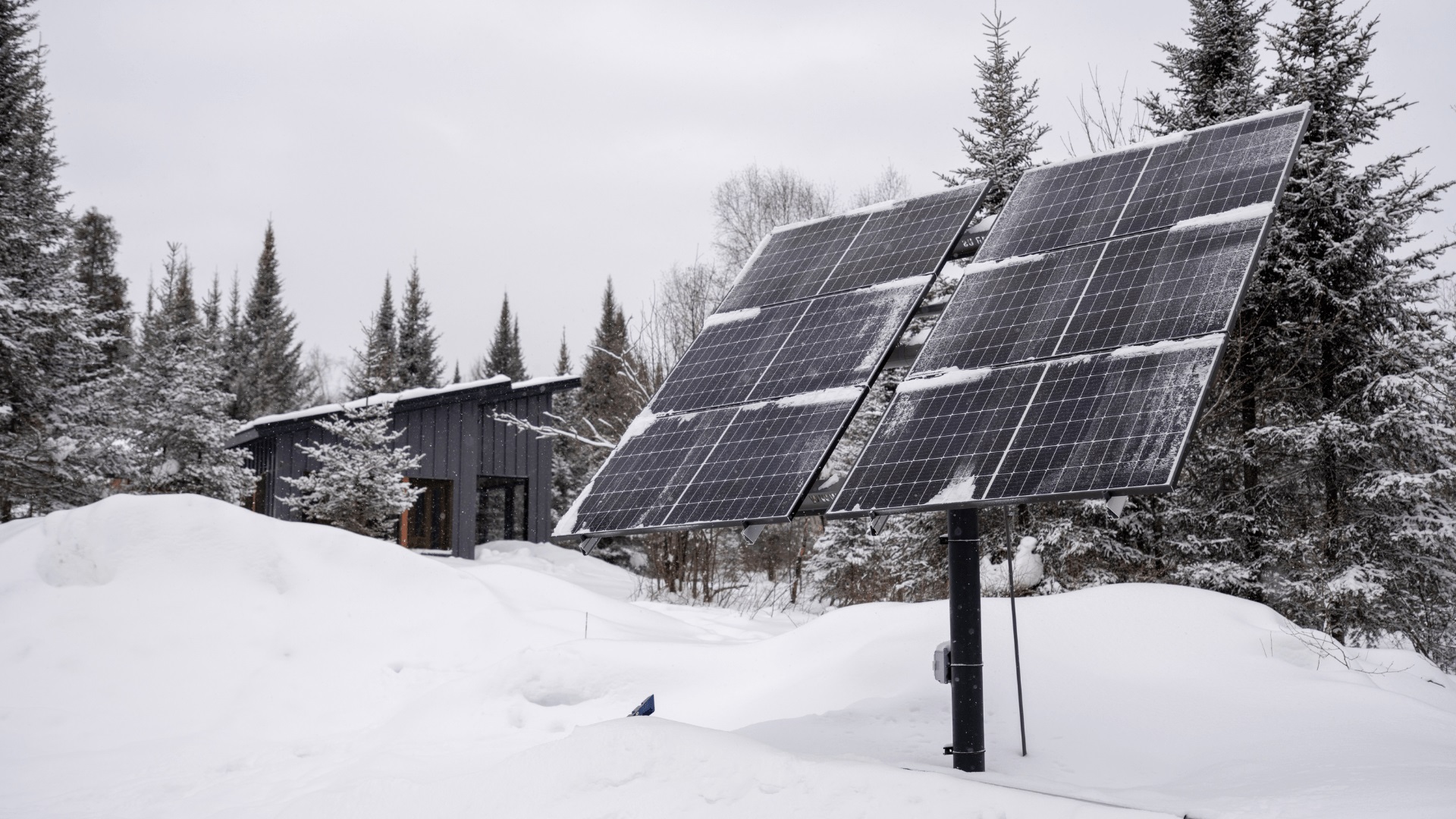
To illustrate the impact of snow on solar panels, consider the following scenarios:
| Scenario | Snow Conditions | Energy Production Impact |
|---|---|---|
| Light Snowfall | Thin layer of snow | Minimal impact; panels may still generate energy |
| Heavy Snowfall | Thick snow cover | Significant drop in energy production |
| Post-Snow Melting | Snow melting off panels | Potential spike in energy production due to cooler temperatures |
Benefits of Snow on Solar Panels
While snow can pose challenges, it also brings some benefits:
- Self-Cleaning: Snow can act as a natural cleaner for solar panels. As it melts, it can wash away dirt and debris that may have accumulated, improving efficiency.
- Increased Efficiency in Cold Weather: Solar panels can perform better in cold conditions. If snow is not obstructing the panels, the cooler temperatures can enhance their efficiency.
- Energy Production Boost: On sunny winter days, the combination of direct sunlight and reflected light from snow can lead to higher energy output.
Challenges and Limitations
Despite the potential benefits, there are challenges to consider:
- Maintenance Needs: Homeowners in snowy regions may need to clear snow from their panels to maintain optimal energy production. This can involve climbing on roofs or using specialized equipment.
- Risk of Damage: Heavy snow can lead to structural stress on solar panels, especially if ice forms. This can potentially cause damage if not addressed.
- Variable Energy Production: The unpredictability of snowfall can make it difficult to estimate energy production during winter months, impacting energy planning and budgeting.
In summary, snow has a complex relationship with solar panels. While it can hinder energy production, it also offers some unique advantages. Understanding these dynamics is essential for anyone looking to maximize the efficiency of their solar energy systems during the winter months.
Final Thoughts on Snow and Solar Panels
Key Takeaways
As we’ve explored, snow can have a multifaceted impact on solar panels. Here are the main points to remember:
- Energy Production Variability: Snow can obstruct sunlight, leading to reduced energy output, especially during heavy snowfall.
- Reflective Benefits: Fresh snow can reflect sunlight, potentially enhancing energy production when panels are clear.
- Self-Cleaning Properties: Snow can help clean solar panels as it melts, improving efficiency.
- Maintenance Considerations: Homeowners in snowy regions need to be proactive about clearing snow to maintain optimal performance.
The Importance of Understanding Snow’s Impact
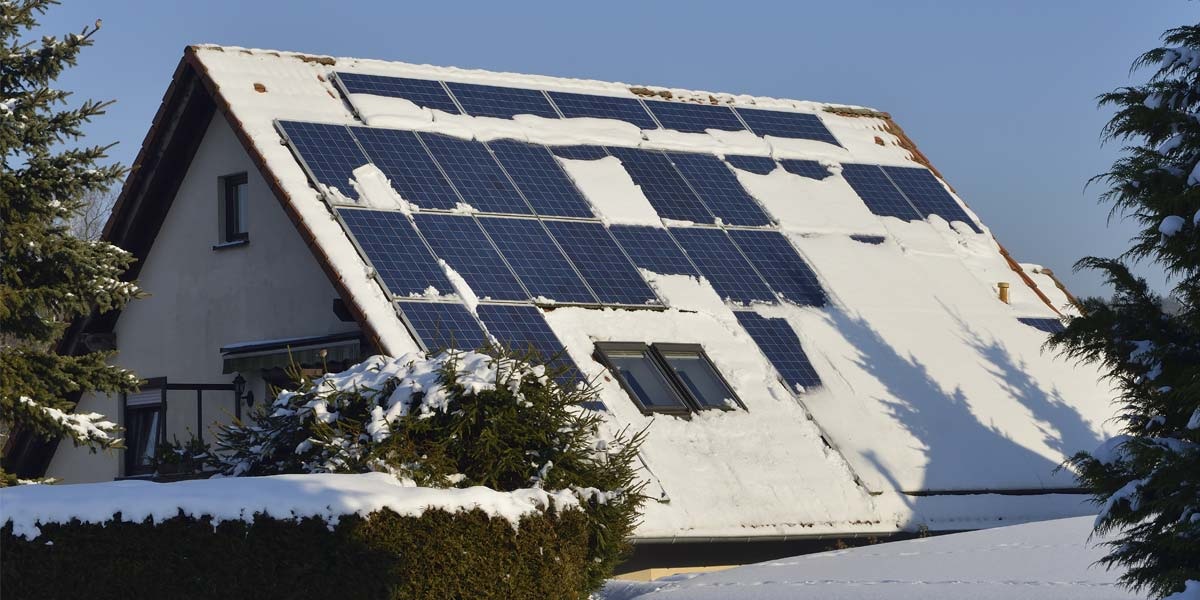
Understanding how snow affects solar panels is crucial for anyone invested in solar energy. This knowledge not only helps in maximizing energy production but also aids in making informed decisions regarding maintenance and system design. For those living in regions with significant snowfall, being aware of these dynamics can lead to better energy management and cost savings.
Useful Tips for Solar Panel Owners in Snowy Regions
To ensure your solar panels perform optimally during winter, consider the following tips:
- Regularly check your panels for snow accumulation, especially after heavy snowfall.
- If safe to do so, gently clear snow off the panels using a soft broom or a snow rake designed for solar panels.
- Monitor energy production during winter months to understand how snow impacts your system specifically.
- Consider investing in solar panels with a higher tilt angle, which can help snow slide off more easily.
Myth Debunked
A common myth is that solar panels are ineffective in winter or snowy conditions. In reality, while snow can reduce energy production, solar panels can still generate electricity even in cold weather. In fact, they often perform better in cooler temperatures, making them a viable energy source year-round.
Encouraging Further Thought
As you think about solar energy, consider this: How does your local climate influence your energy choices? Are there adaptations you can make to your solar system to optimize performance throughout the year? By asking these questions, you can take a proactive approach to harnessing the full potential of solar energy, regardless of the season.