
Harnessing Solar Power: A Sustainable Solution
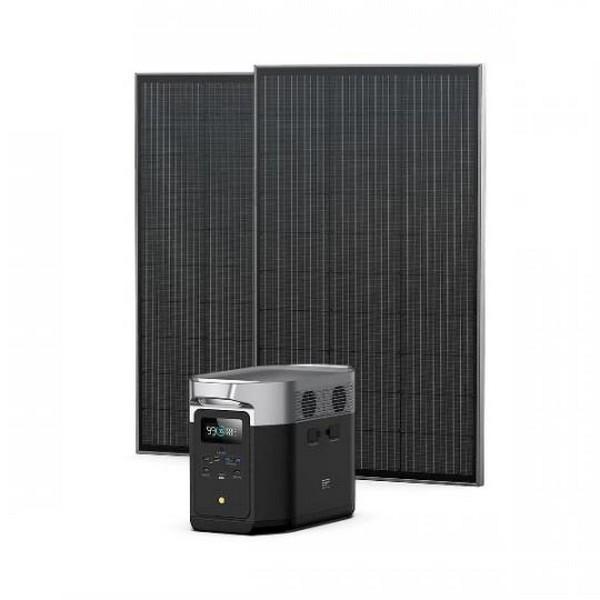
As the world increasingly shifts towards renewable energy sources, solar power stands out as a leading contender in the quest for sustainable living. With the rise of portable power stations like the EcoFlow Delta, the ability to harness solar energy has never been more accessible. These devices not only provide a reliable source of electricity for your gadgets and appliances but also enable you to reduce your carbon footprint and embrace a greener lifestyle.
The EcoFlow Delta is a powerhouse of a portable battery, designed to meet the energy demands of modern life while being environmentally friendly. Whether you’re camping in the great outdoors, preparing for a power outage, or simply looking to reduce your reliance on fossil fuels, knowing how to charge this device with solar panels is essential. This method of charging allows you to tap into the sun’s abundant energy, making it a practical and sustainable choice.
In this article, you will learn the step-by-step process of charging your EcoFlow Delta using solar panels. We will cover everything from selecting the right solar panels to the technical specifications you need to consider for optimal performance. Additionally, we will discuss the benefits of using solar energy, including cost savings and energy independence. By the end of this read, you’ll be equipped with the knowledge to effectively power your EcoFlow Delta with solar energy, paving the way for a more sustainable future.
Charging Your EcoFlow Delta with Solar Panels
Charging your EcoFlow Delta with solar panels is a straightforward process that can significantly enhance your energy independence. By utilizing solar energy, you can keep your devices powered without relying on traditional electricity sources. Here’s how it works and what you need to know.
How It Works
The EcoFlow Delta is equipped with a built-in inverter and a battery management system that allows it to efficiently convert and store energy from solar panels. Here’s a breakdown of the charging process:
1. Solar Panel Selection: Choose solar panels that are compatible with the EcoFlow Delta. Look for panels with a suitable wattage output, typically between 100W to 400W.
2. Connection: Use the MC4 cables provided with your solar panels to connect them to the EcoFlow Delta. Ensure that the connections are secure to prevent any energy loss.
3. Sunlight Exposure: Position the solar panels in direct sunlight for optimal charging. The more sunlight they receive, the faster your EcoFlow Delta will charge.
4. Monitoring Charge Levels: The EcoFlow Delta features an LCD screen that displays the charging status and remaining battery life. Keep an eye on this to know when it’s fully charged.
Practical Examples
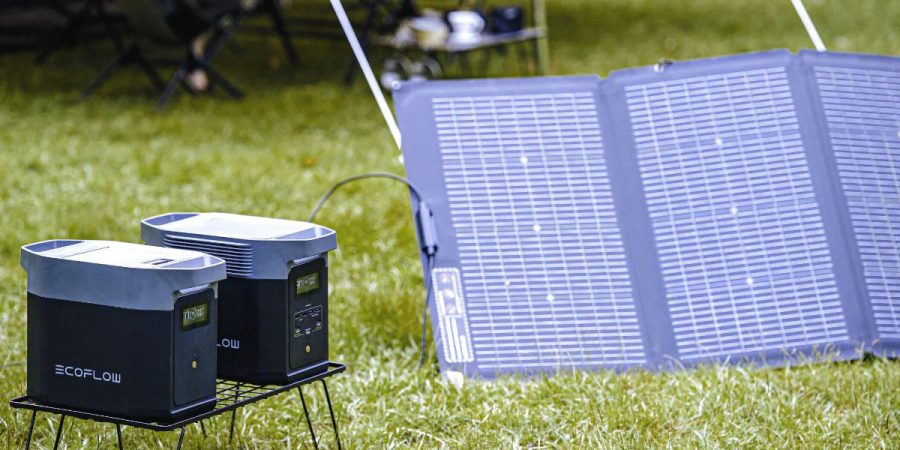
Let’s consider a couple of scenarios where charging your EcoFlow Delta with solar panels proves beneficial:
– Camping Trips: Imagine you’re out in nature, far from power outlets. With a solar panel setup, you can charge your EcoFlow Delta during the day while enjoying the outdoors. This allows you to power your lights, cook, and charge devices without worrying about running out of battery.
– Emergency Preparedness: In the event of a power outage, having a charged EcoFlow Delta can be a lifesaver. By using solar panels, you can keep it charged even when the grid is down, ensuring you have power for essential devices like phones and medical equipment.
Benefits of Solar Charging
Charging your EcoFlow Delta with solar panels comes with numerous advantages:
- Cost Savings: Once you invest in solar panels, the ongoing cost of charging is minimal, reducing your electricity bills.
- Environmental Impact: Solar energy is clean and renewable, helping to reduce your carbon footprint.
- Energy Independence: You’re less reliant on the grid, which is particularly useful in remote areas or during emergencies.
- Portability: Solar panels are lightweight and easy to transport, making them ideal for outdoor adventures.
Challenges and Limitations
While there are many benefits, charging your EcoFlow Delta with solar panels does come with some challenges:
- Weather Dependency: Solar charging is less effective on cloudy days or during winter months when sunlight is limited.
- Initial Investment: The upfront cost of solar panels can be significant, though it often pays off in the long run.
- Space Requirements: You need enough space to set up the solar panels, which can be a limitation in certain environments.
Technical Specifications
To maximize the efficiency of your solar charging setup, consider the following technical specifications:
| Specification | Recommended Value |
|---|---|
| Solar Panel Wattage | 100W – 400W |
| Input Voltage | 10V – 30V |
| Charging Time | Depends on sunlight and panel wattage |
| Battery Capacity | 1,260Wh |
By keeping these factors in mind, you can effectively charge your EcoFlow Delta with solar panels, ensuring you have a reliable power source wherever you go.
Charging Your EcoFlow Delta: Key Takeaways
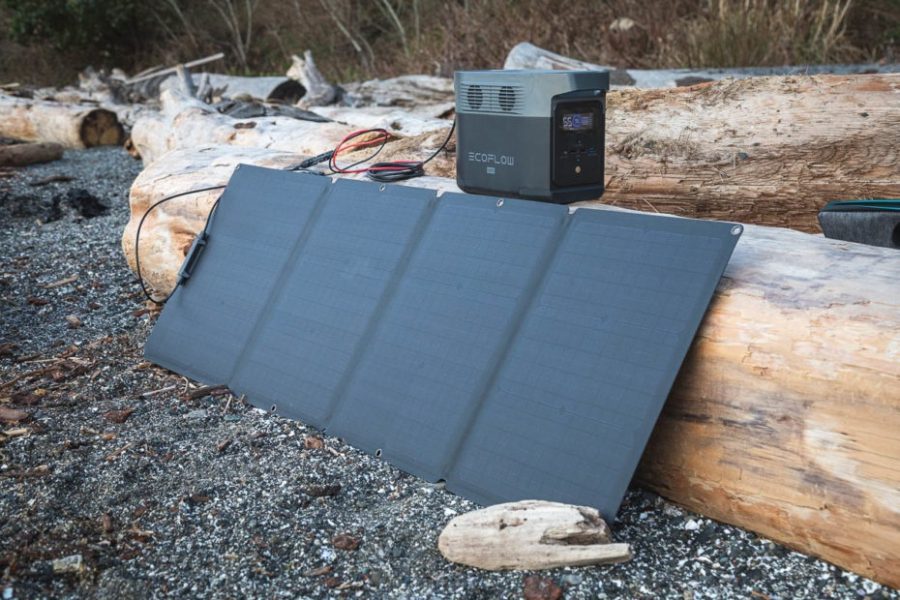
Charging your EcoFlow Delta with solar panels is not just a practical solution; it’s a step towards a more sustainable lifestyle. As we’ve explored, this method allows you to harness the sun’s energy, providing you with a reliable power source for various applications, from outdoor adventures to emergency preparedness.
Main Points Recap
- Solar Panel Selection: Choosing the right solar panels is crucial. Look for panels with a wattage output that matches your needs.
- Connection Process: Use the appropriate cables to connect your solar panels to the EcoFlow Delta, ensuring a secure fit.
- Optimal Sunlight Exposure: Position your solar panels in direct sunlight to maximize charging efficiency.
- Monitoring Charge Levels: Keep an eye on the EcoFlow Delta’s display to track charging progress and battery life.
The Importance of Solar Charging
The significance of charging your EcoFlow Delta with solar panels cannot be overstated. As the world grapples with climate change and the depletion of fossil fuels, adopting renewable energy sources like solar power is essential. By utilizing solar energy, you not only reduce your carbon footprint but also gain energy independence. This is particularly important in today’s unpredictable energy landscape, where power outages can occur without warning.
Key Takeaway
One of the most compelling reasons to charge your EcoFlow Delta with solar panels is the potential for cost savings. While the initial investment in solar technology may seem high, the long-term benefits often outweigh the costs. Imagine being able to power your devices without worrying about electricity bills or fuel costs.
Surprising Fact
Did you know that the amount of solar energy that hits the Earth in just one hour is enough to power the entire planet for a year? This staggering fact highlights the immense potential of solar energy and why it’s worth investing in solar technology for your EcoFlow Delta.
Myth Debunked
A common myth is that solar panels are ineffective in cloudy or rainy weather. While it’s true that solar panels perform best in direct sunlight, they can still generate electricity in overcast conditions. In fact, many solar panels can produce up to 25% of their rated capacity on cloudy days. This means that even when the sun isn’t shining brightly, you can still charge your EcoFlow Delta.
Encouraging Further Thinking
As you consider the benefits of solar charging, think about your own energy consumption habits. How often do you rely on traditional power sources? What steps can you take to incorporate solar energy into your daily life? By asking these questions, you can begin to explore the possibilities of a more sustainable future powered by renewable energy.